Cart
0
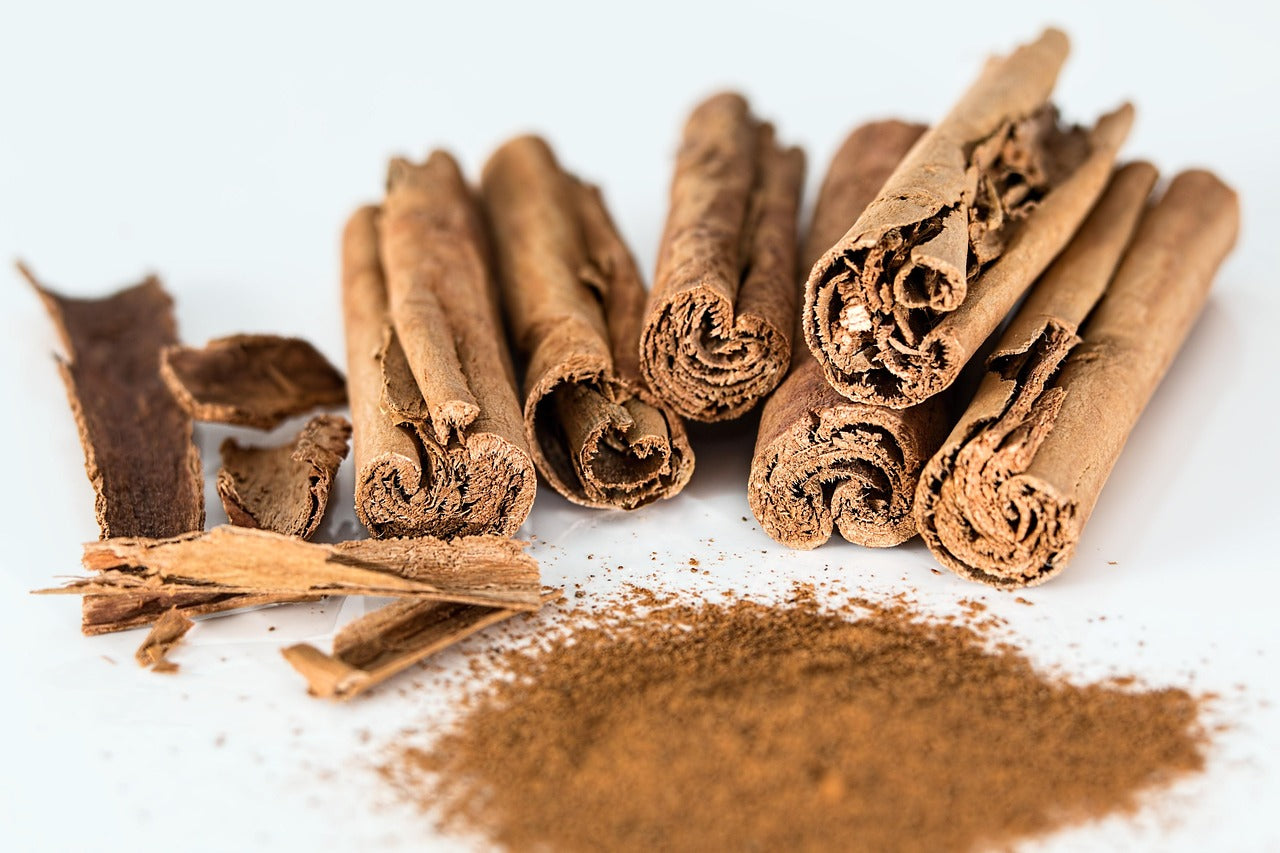
If the label just says "cinnamon," there's a good chance it isn't the cinnamon you think it is.
Most of the cinnamon sold in North America — including most of what's on Amazon and in grocery aisles — is Cassia, a different tree species with a harsher flavor and a much higher natural coumarin content than true Ceylon Cinnamon. Here's how to tell the two apart, why the distinction matters, and what to look for on a label before you buy.
The Short Answer
Ceylon Cinnamon (Cinnamomum verum, meaning "true cinnamon") is a thin-barked, delicately sweet spice native to Sri Lanka. Cassia Cinnamon (Cinnamomum cassia and related species) is a thicker-barked, more pungent spice, most commonly grown in Indonesia, Vietnam, and China. They come from different trees, taste different, and are not interchangeable — even though most U.S. packaging just says "cinnamon" without specifying which one.
How to Tell Them Apart
| Ceylon Cinnamon | Cassia Cinnamon | |
|---|---|---|
| Botanical name | Cinnamomum verum | Cinnamomum cassia |
| Origin | Sri Lanka (primarily) | China, Vietnam, Indonesia |
| Bark structure | Thin, multiple soft layers, crumbles easily | Thick, single hard layer, breaks with a snap |
| Color | Light tan / brown | Reddish-brown, darker |
| Flavor | Delicate, sweet, citrusy-floral notes | Strong, spicy, slightly bitter |
| Coumarin content | Naturally very low | Naturally much higher |
| Price | Higher (lower yield, more labor to harvest) | Lower (widely cultivated, mechanized) |
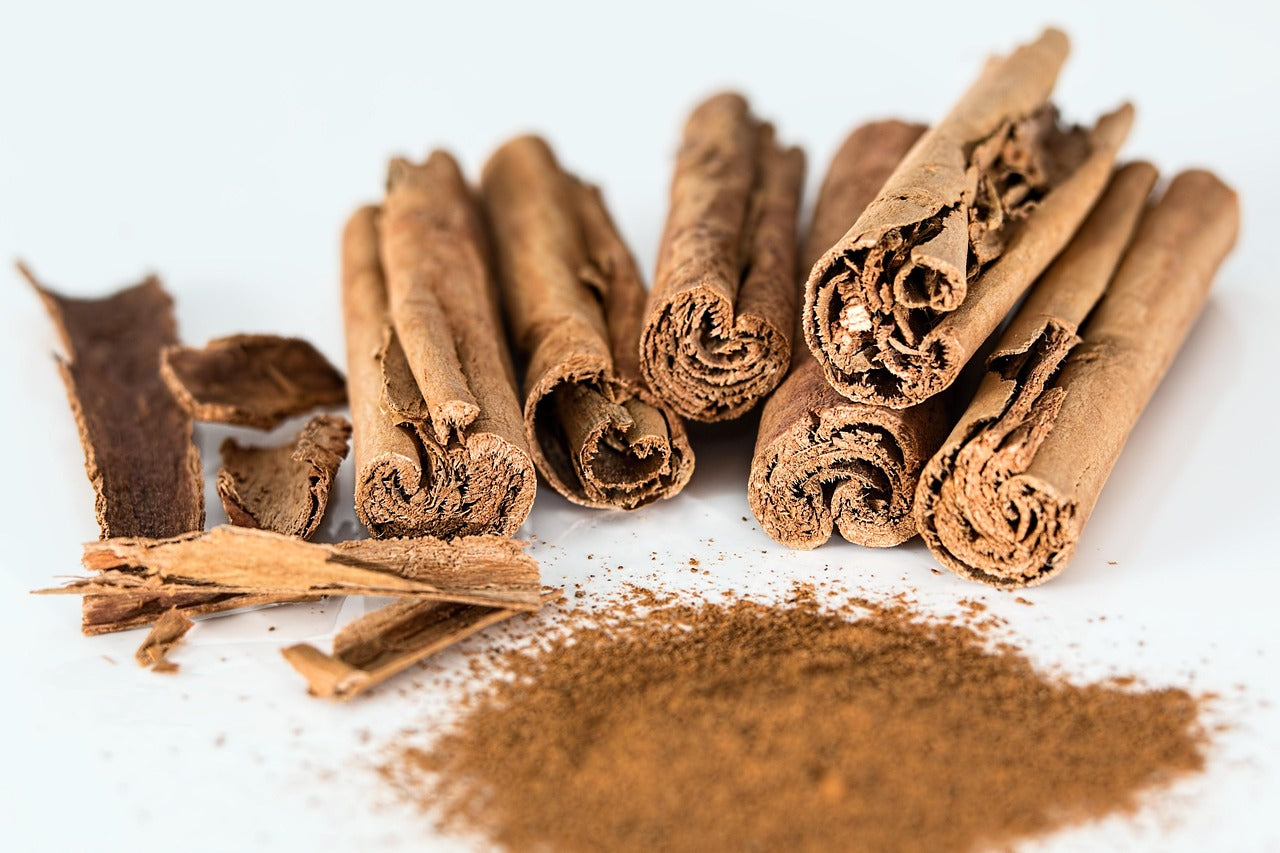
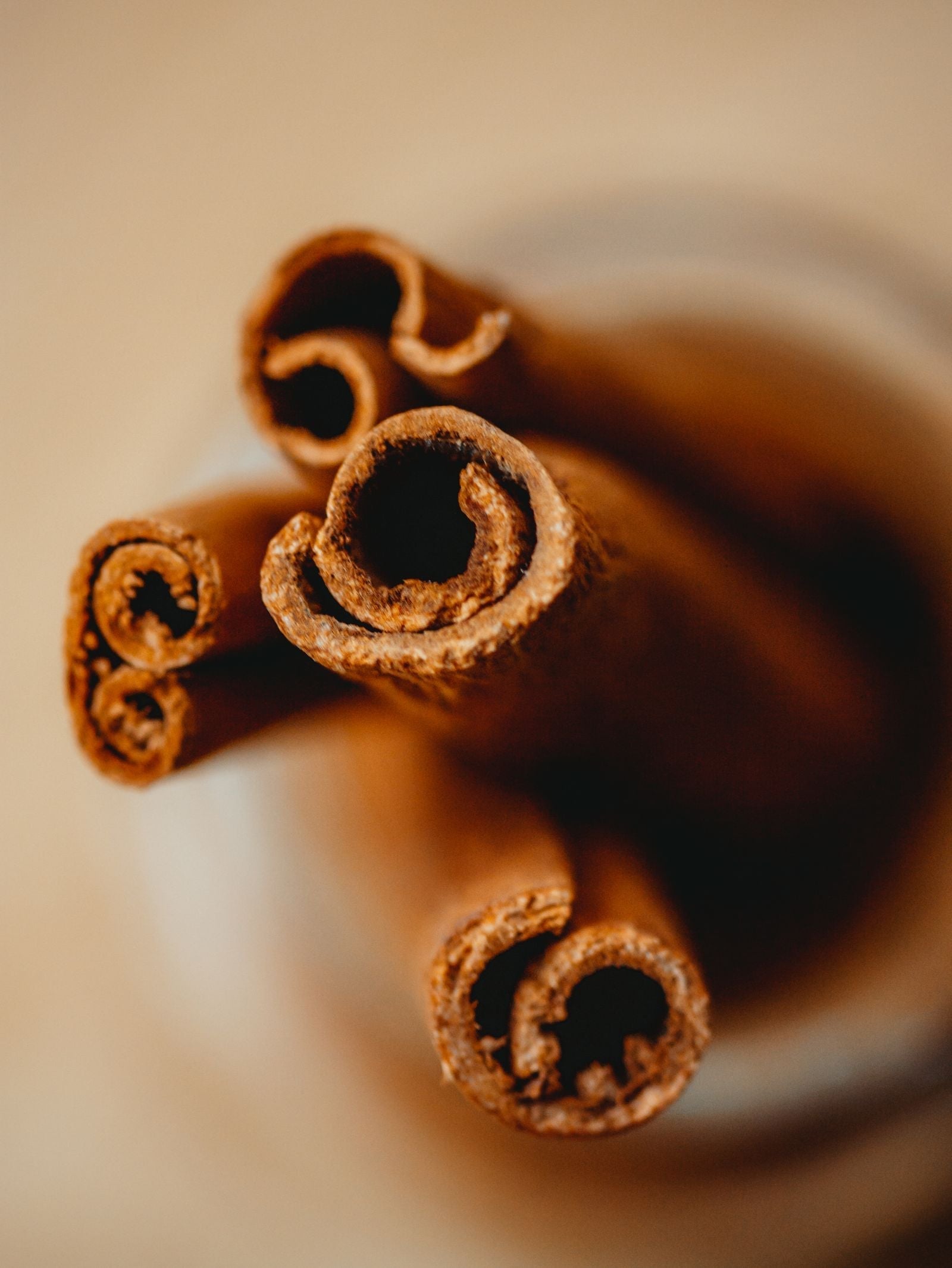
If you're looking at cinnamon sticks, the easiest visual test is the bark itself: Ceylon sticks look like a tightly rolled cigar made of many thin layers, while Cassia sticks look like a single curled slab of bark, closer to tree bark in appearance.
Why Coumarin Is the Detail Most Labels Leave Out
Coumarin is a naturally occurring compound found in cinnamon bark. In large, regular amounts it has been linked to liver stress in sensitive individuals, which is why European food safety authorities have set daily intake guidance for it. The key fact most shoppers never see on a label: Cassia cinnamon naturally contains substantially more coumarin than Ceylon cinnamon — often on the order of 50 times more, gram for gram. The published test numbers are in our coumarin article.
This doesn't mean Cassia is unsafe in typical cooking use. It means that for anyone using cinnamon daily — in coffee, smoothies, oatmeal, or supplements — the type of cinnamon they're using matters more than most packaging lets on. Ceylon's naturally low coumarin content is one of the main reasons it's traditionally recommended for frequent, daily use.
This is general information, not medical advice — anyone with liver concerns or on medication should talk to a doctor about dietary coumarin.
Why "Cinnamon" on a Label Doesn't Tell You Which One You're Getting
U.S. labeling law doesn't require brands to specify Ceylon vs. Cassia — "cinnamon" alone is a legal label for either. That's how Cassia became the default on store shelves: it's cheaper to grow, easier to source at scale, and consumers rarely know to ask the difference. Unless a product explicitly says "Ceylon," "true cinnamon," or Cinnamomum verum on the label, it's reasonable to assume it's Cassia. We went through the actual regulation in why "cinnamon" on a US label doesn't mean what you think.
What GI Certification Actually Verifies
Geographical Indication (GI) certification is a legal designation tied to a specific growing region — similar in concept to Champagne (which can only come from Champagne, France) or Parmigiano-Reggiano. "Pure Ceylon Cinnamon" GI certification means the product has been verified to originate from genuine Ceylon Cinnamon–growing regions in Sri Lanka and meets defined quality standards for the species and processing method.
This matters because "Ceylon" as a marketing word has no legal teeth on its own — a brand can call a product "Ceylon-style" or "Ceylon-inspired" without it containing any real Ceylon cinnamon. GI certification is one credential that can't be claimed without third-party verification of actual origin, though it's only one of several ways a brand can demonstrate authenticity — batch-level lab testing is another.
Where Our Ceylon Cinnamon Comes From
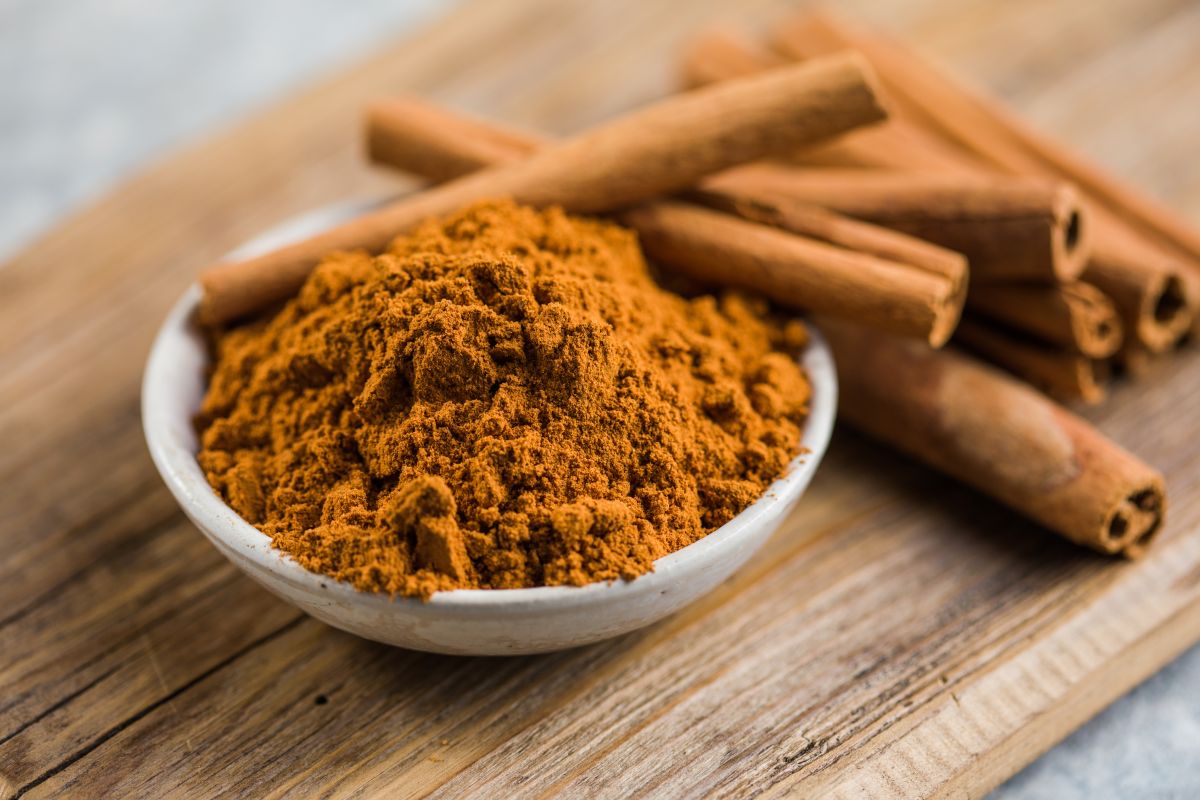
RamanRasa's Ceylon Cinnamon Powder is single-origin Cinnamomum verum from Sri Lanka, USDA Organic and Fair Trade Certified, ground and sealed into its pouch at origin and shipped from Houston, Texas. It is one species from one origin, so the label can say exactly what is inside. If you want the paperwork behind a batch, ask us for its Certificate of Analysis — our guide to reading a spice COA explains what it should contain.
True Ceylon, one origin
Ceylon Cinnamon Powder, Cinnamomum verum, single-origin Sri Lanka. USDA Organic, Fair Trade Certified, GMO Free. 1 lb pouch.
Frequently Asked Questions
Is Ceylon cinnamon better than regular cinnamon?
"Regular" cinnamon on most store shelves is Cassia. Ceylon cinnamon has a naturally lower coumarin content and a milder, sweeter flavor, making it generally preferred for daily use and baking where a delicate flavor matters.
How do I know if my cinnamon is Ceylon or Cassia?
Check the label for "Ceylon," "true cinnamon," or Cinnamomum verum. If it just says "cinnamon" with no species or origin specified, it's most likely Cassia. For sticks, Ceylon bark is thin and made of multiple rolled layers; Cassia bark is thick and single-layered.
Is Cassia cinnamon safe to eat?
Yes, in typical culinary amounts. The concern is specifically with frequent, high-dose daily use, due to Cassia's naturally higher coumarin content compared to Ceylon.
What does GI Certified mean for cinnamon?
GI (Geographical Indication) certification verifies that a product genuinely originates from a specific growing region — for Pure Ceylon Cinnamon, that means verified Sri Lankan origin and species, confirmed by third-party certification rather than just a marketing claim.
Why is Ceylon cinnamon more expensive than regular cinnamon?
Ceylon cinnamon trees yield less bark per harvest, and the thin bark has to be hand-rolled, which is more labor-intensive than processing thicker Cassia bark. Lower yield plus more labor means a higher cost per pound.
Know Your Cinnamon — related reading
- Know Your Cinnamon — the full picture in one place: labeling, coumarin, lead, and how to check what's actually in your jar
- Why "Cinnamon" on a US Label Doesn't Mean What You Think — the labeling loophole that lets any species be sold as "cinnamon"
- Coumarin in Cinnamon: What Published Testing Actually Shows — the lab numbers behind the species difference
- Ceylon Cinnamon guide — what real cinnamon tastes like and how to use it