


Cart
0
black pepper,
cardiometabolic health,
Cinnamon Health Benefits,
cloves,
heart health,
peer-reviewed research
0 comments
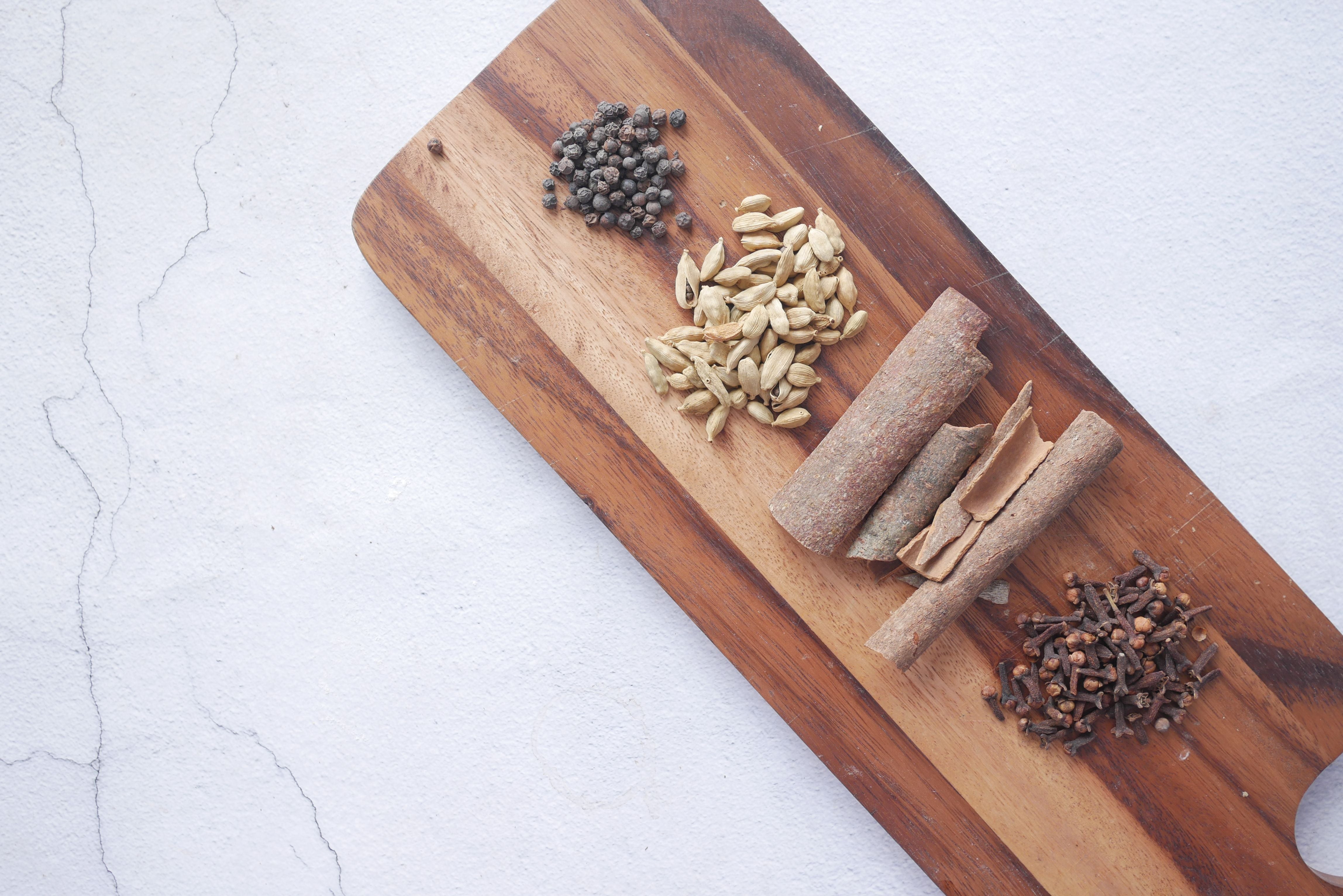
Cinnamon, Black Pepper, and Cloves: What Peer-Reviewed Research Actually Says About Heart Health
One of these three spices has real human-trial evidence behind it. The other two only have animal data — and the researchers who reviewed it say so explicitly. Here's the difference, spice by spice.
0 comments
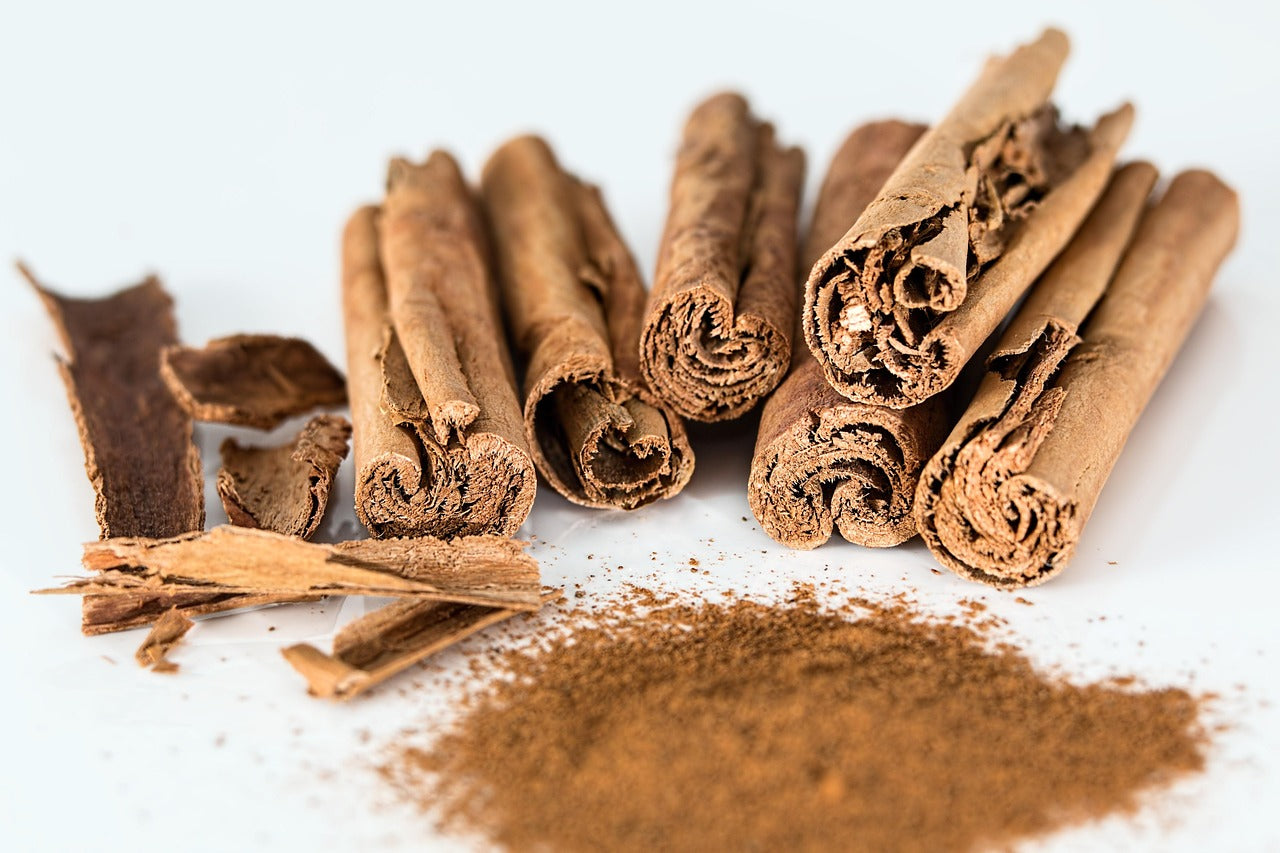
Why "Cinnamon" on a US Label Doesn't Mean What You Think
US federal law doesn't require a cinnamon label to say whether it's true Ceylon cinnamon or cassia — legally, "cinnamon" covers both. Here's the actual regulation, what a 2024 industry investigation found, and how to check what's really in your jar.
0 comments
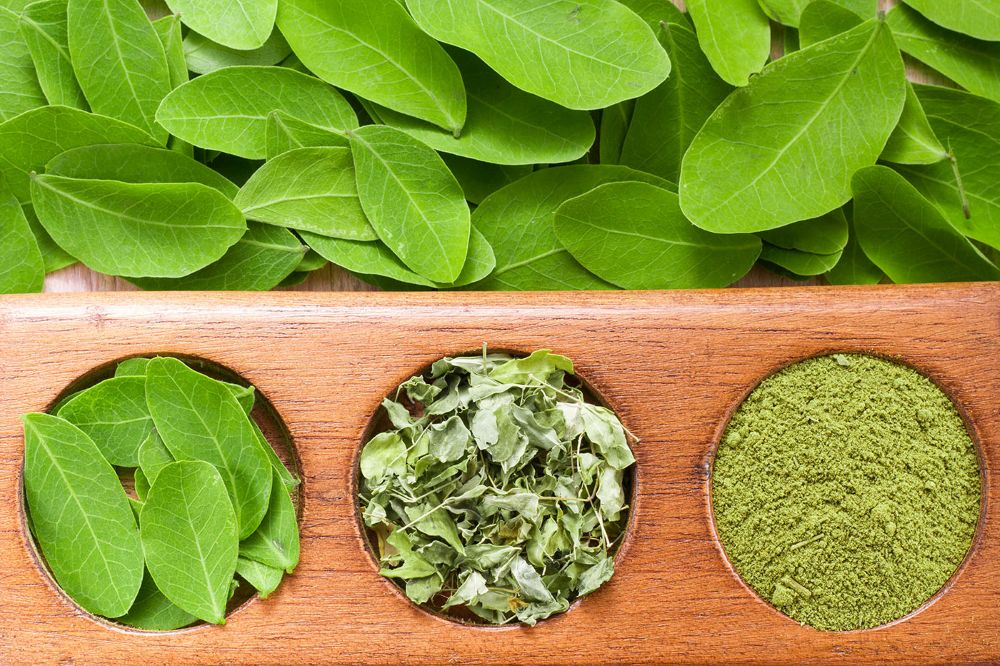
Moringa vs. Spinach: What the Nutrient Comparison Actually Shows
You've seen the claim: moringa has 25 times the iron of spinach. Compared fairly — same weight, same state — it's closer to 1.5 times. Moringa still wins on every measure. Here's what the actual USDA numbers say.

1 comment
What Is Moringa? A Straight Answer About the Plant Behind the Powder
Moringa is a fast-growing tree whose leaves are dried and milled into a fine green powder. Here's what it actually is, where it grows, what it tastes like, and what the nutrition numbers really say — without the superfood hyperbole.
0 comments
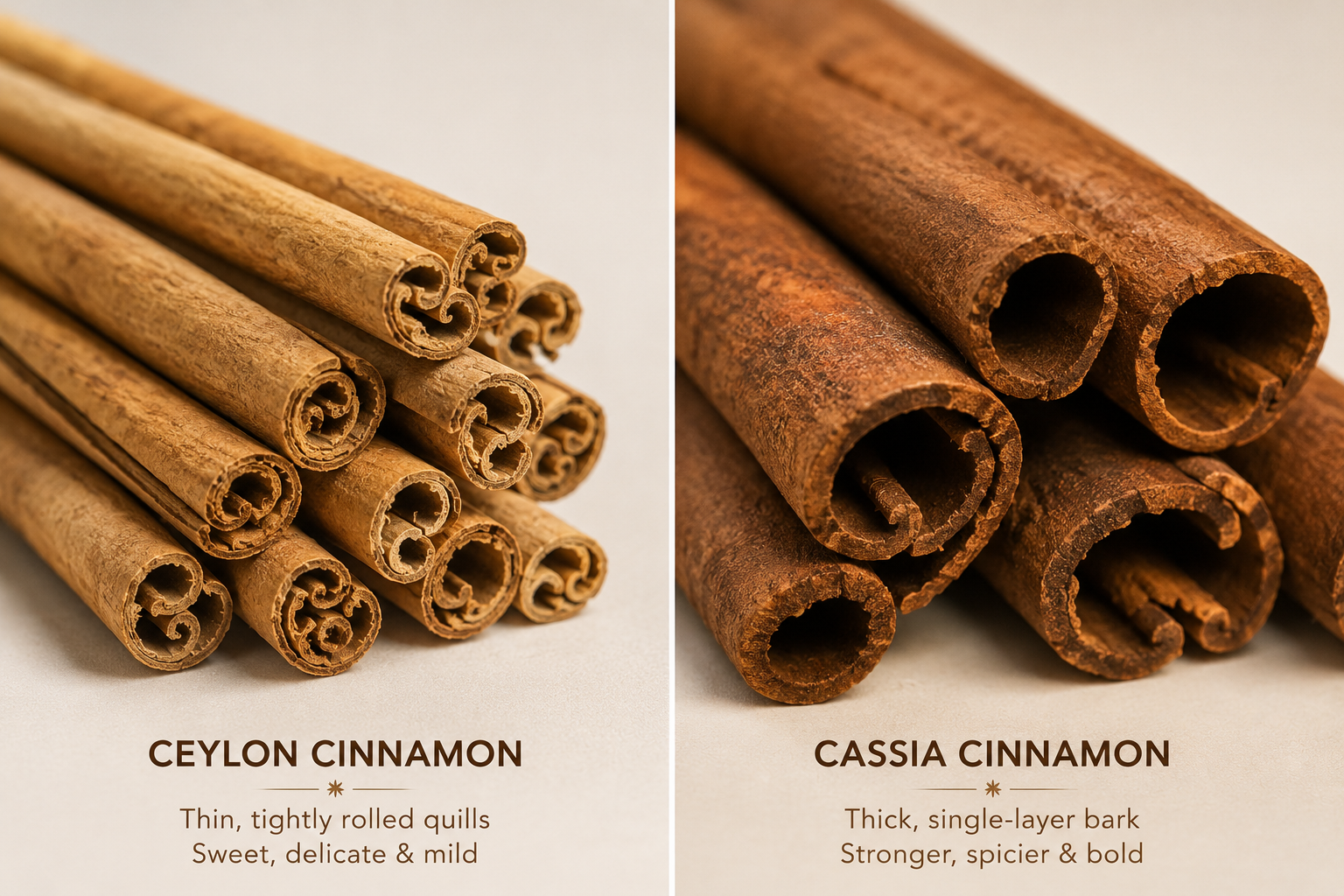
Lead in Cinnamon: What the Testing and Recalls Actually Mean
Twelve of 36 cinnamon products tested above New York's lead recall threshold. Here's what the testing found, why cinnamon is vulnerable, and why lead is a separate question from Ceylon vs Cassia.

0 comments
What Independent Testing Found About Heavy Metals in Spices
Independent testing found about a third of spice products carried concerning heavy metal levels — and neither brand name nor organic certification predicted which ones. Here's what that means.