

Cart
0
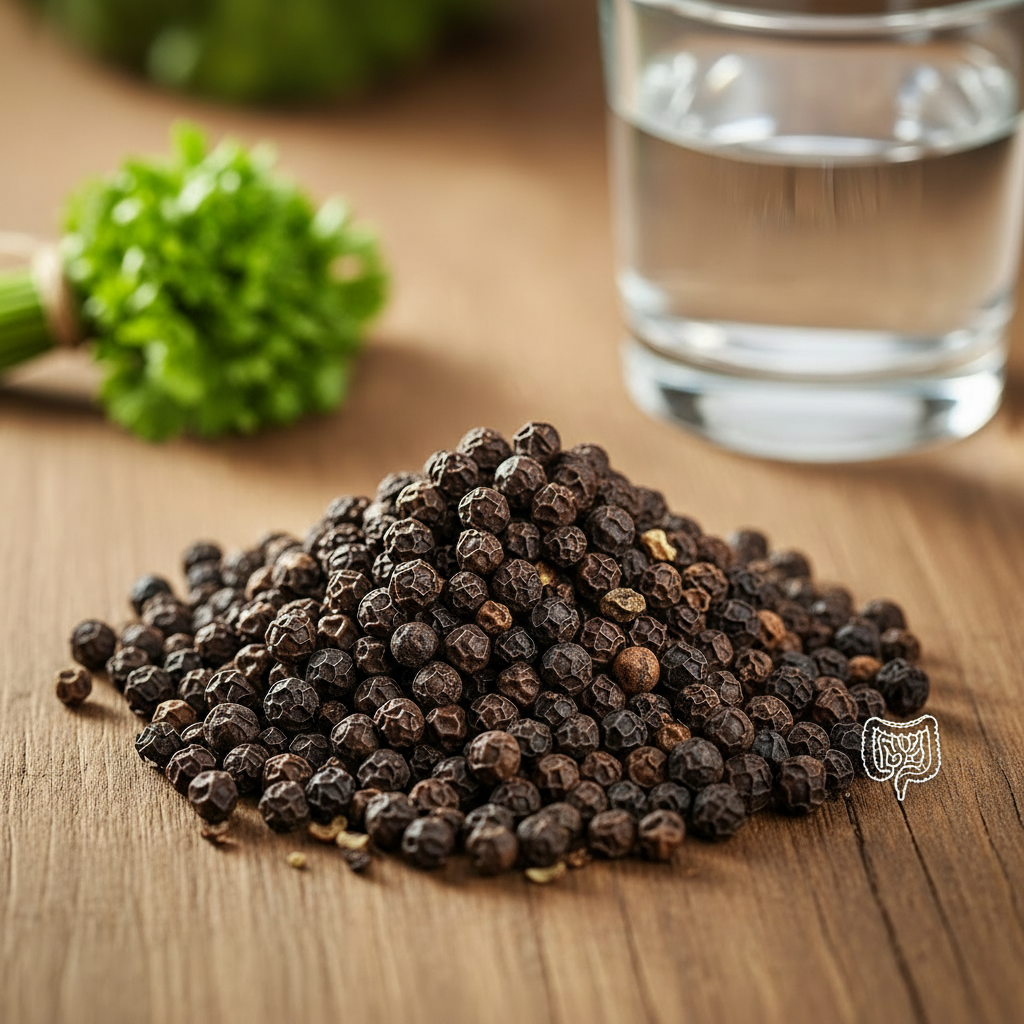
Black pepper is often seen as a simple seasoning—something we casually sprinkle on eggs or pasta without much thought. Yet this everyday spice has been valued for centuries in traditional medicine, especially in Asia, for far more than its bold, warming flavor. Modern research now supports what ancient cooks seemed to know all along: black pepper can help your body make better use of the foods you eat.
The secret lies in a natural compound called piperine, which gives pepper its signature heat and much of its health-supporting power.
Piperine: Nature’s Nutrient Booster
When you eat vitamins and minerals, your body doesn’t automatically absorb all of them. Some nutrients break down too quickly during digestion or pass through unused. Piperine helps by slowing certain metabolic processes in the gut and liver, allowing more nutrients to enter the bloodstream.
Think of black pepper as a key that unlocks more value from your meal—without adding calories, sugar, or artificial additives.
Helping You Absorb Key Nutrients
Piperine doesn’t work only with turmeric. Studies suggest it may also improve absorption of:
-
Selenium, which supports immune and thyroid health
-
B-vitamins, essential for energy production and brain function
-
Beta-carotene, a plant compound your body converts into vitamin A for vision and skin health
In practical terms, sprinkling black pepper over vegetables, lentils, or whole-grain dishes may help your body get more benefit from foods you already enjoy.
Supporting Healthy Digestion
Black pepper has long been used as a digestive aid. Piperine may stimulate digestive enzymes, helping the body break down food more efficiently and reducing that heavy, sluggish feeling after meals. Its warming nature can also gently encourage circulation and gut activity, which is why pepper often appears in traditional herbal formulas.
Antioxidant Support
Beyond nutrient absorption, black pepper contributes its own protective compounds. Piperine and other phytonutrients act as antioxidants, helping neutralize free radicals that contribute to inflammation and cellular stress. While it isn’t a cure-all, regular use as part of a balanced diet can support long-term wellness.
Simple Ways to Use It Daily
You don’t need supplements to benefit from black pepper—just a grinder and a few small habits:
-
Grind fresh pepper over eggs, avocado toast, or roasted vegetables
-
Add a pinch to turmeric tea or golden milk
-
Stir into soups, stews, and curries
-
Mix with olive oil and lemon for salad dressing
-
Use in spice rubs for grilled foods or tofu
Freshly ground pepper tends to retain more aromatic oils than pre-ground varieties, making it both more flavorful and potentially more effective.
A Small Spice With Big Impact
Black pepper may be common, but its benefits are anything but ordinary. From boosting turmeric’s effectiveness to helping your body absorb essential nutrients and support digestion, this humble spice proves that powerful wellness tools can come from the simplest ingredients.
The next time you reach for the pepper shaker, remember—you’re not just seasoning your food. You’re upgrading it.




noel —
Wow. Immersive.