Cart
0
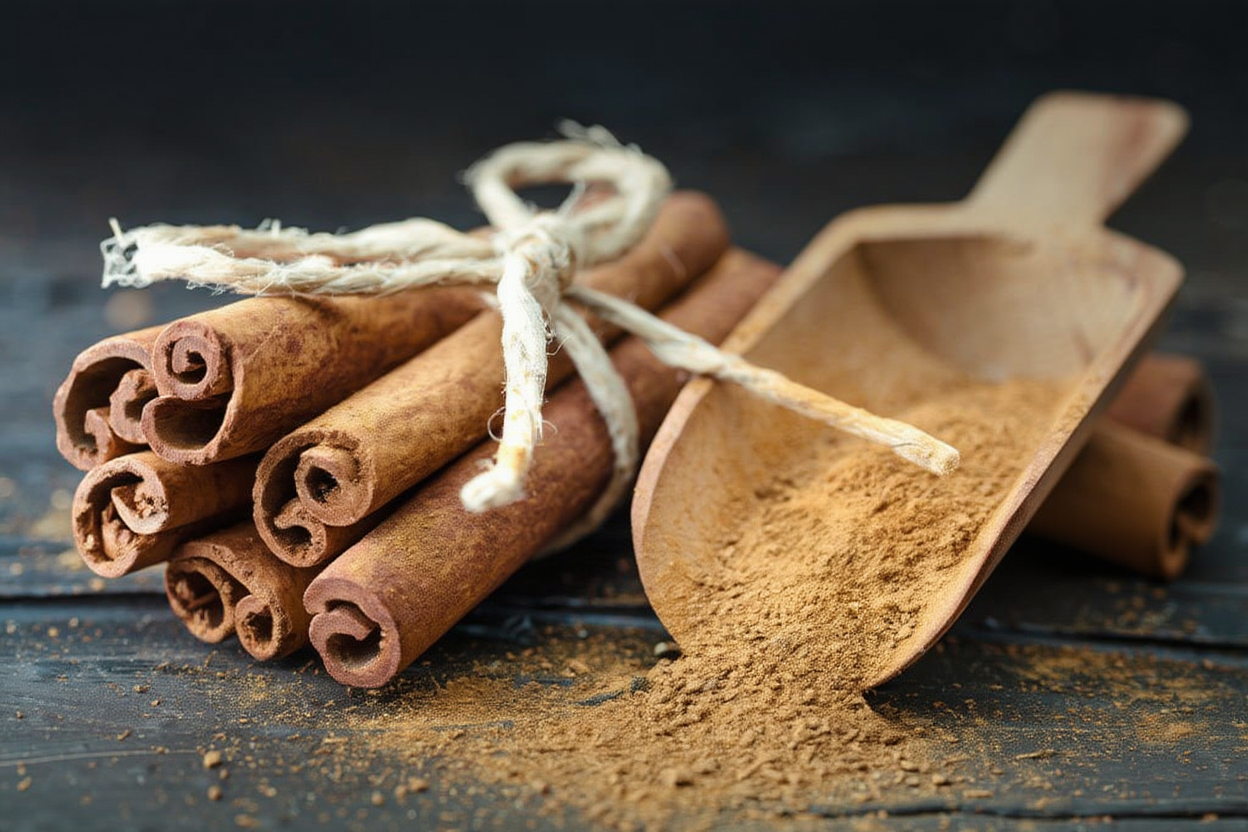
Cinnamon may look simple on the shelf, but there is an important difference between Ceylon cinnamon and what is commonly sold as “ordinary” cinnamon. Understanding this difference can change how—and how often—you use it.
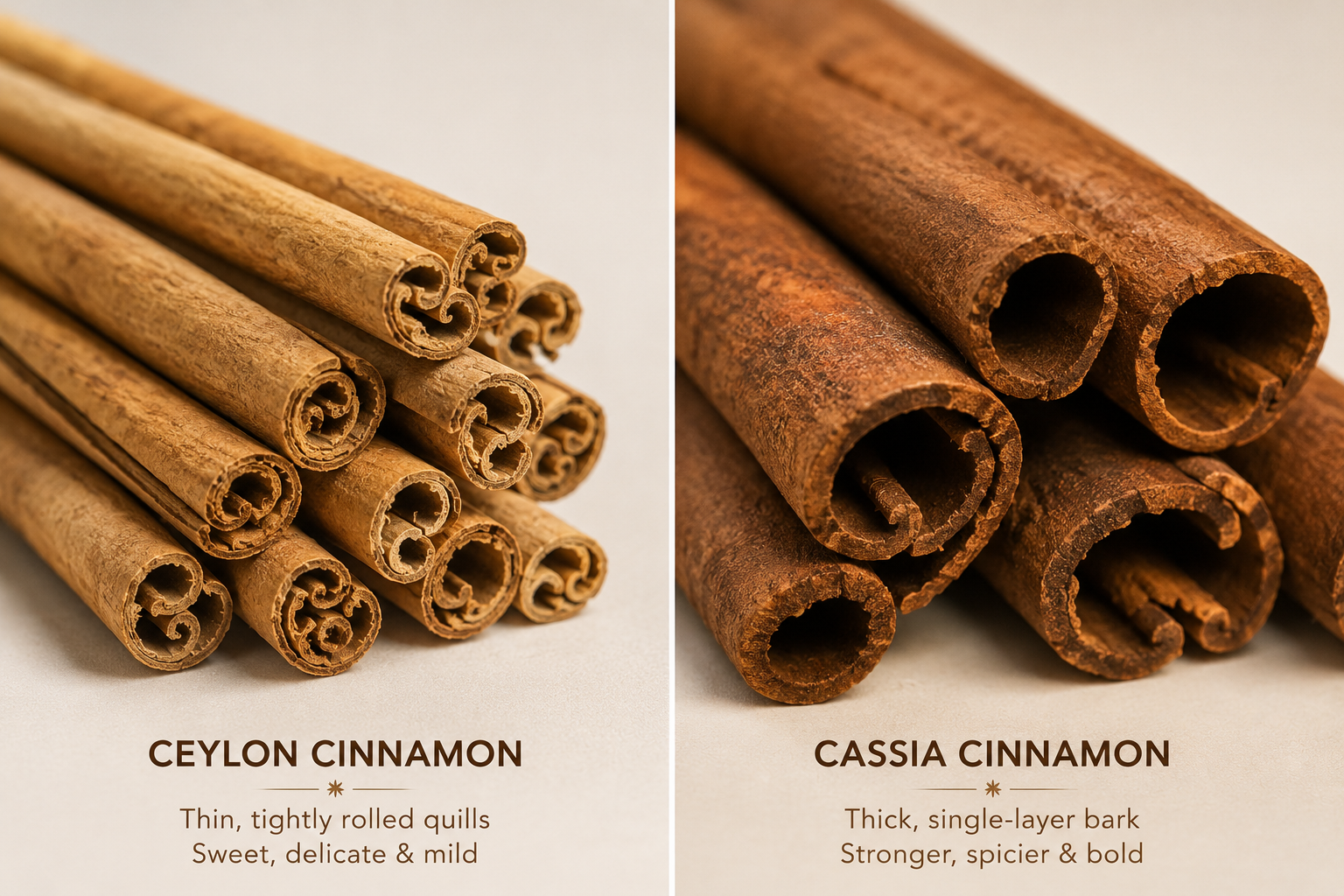
Most supermarket cinnamon is Cassia cinnamon, grown in China, Indonesia, or Vietnam. It has a darker color, thicker bark, and a strong, spicy bite. While flavorful, Cassia contains high levels of coumarin, a natural compound that can strain the liver when consumed regularly or in large amounts.
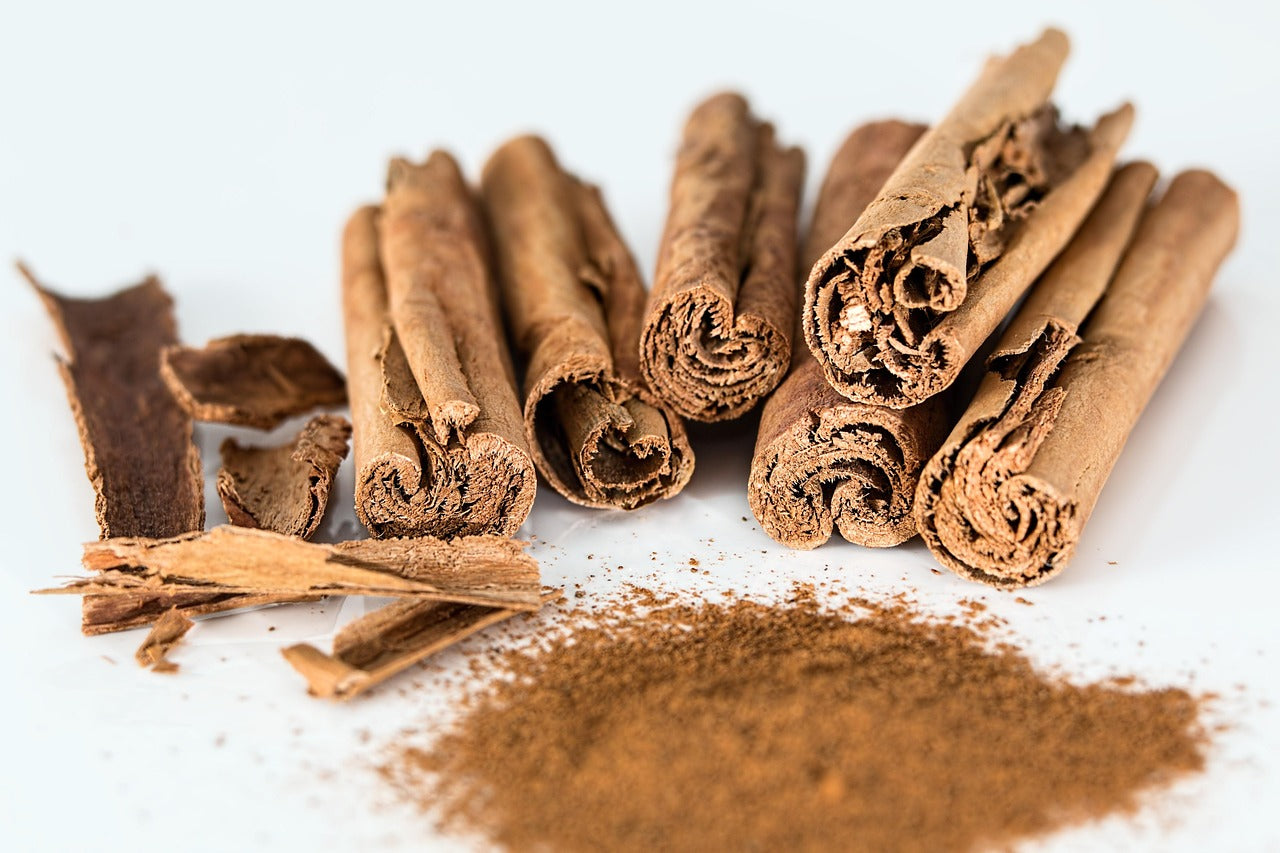
Ceylon cinnamon, often called true cinnamon, is native to Sri Lanka. Its bark is thin, light brown, and layered like a soft scroll. The flavor is noticeably different—milder, slightly sweet, and more aromatic, without the sharp heat. Most importantly, Ceylon cinnamon contains only trace amounts of coumarin, making it a safer choice for everyday use.
This difference matters today, as more people add cinnamon to coffee, smoothies, and daily wellness routines. With Ceylon cinnamon, you can enjoy the benefits of cinnamon—such as antioxidant and metabolic support—without the concerns linked to frequent Cassia consumption.
In a time when food is being used more intentionally, Ceylon cinnamon stands out not as a trend, but as a gentler, more thoughtful option. It’s not about using more cinnamon—it’s about choosing the right one.