

Cart
0
Key facts
- Per 100g raw, moringa leaves contain roughly 51.7mg of vitamin C, 185mg of calcium, 4mg of iron, and 337mg of potassium — a genuinely dense nutrient profile, according to USDA FoodData Central.1
- Moringa has been the subject of a growing body of nutrition research over the past two decades, though much of it remains early-stage (small trials, animal studies, or in-vitro work) rather than large-scale human clinical evidence.2
- It's a real, nutrient-dense leafy green — not a substitute for medical treatment, and claims about it should be sized to match the actual evidence.
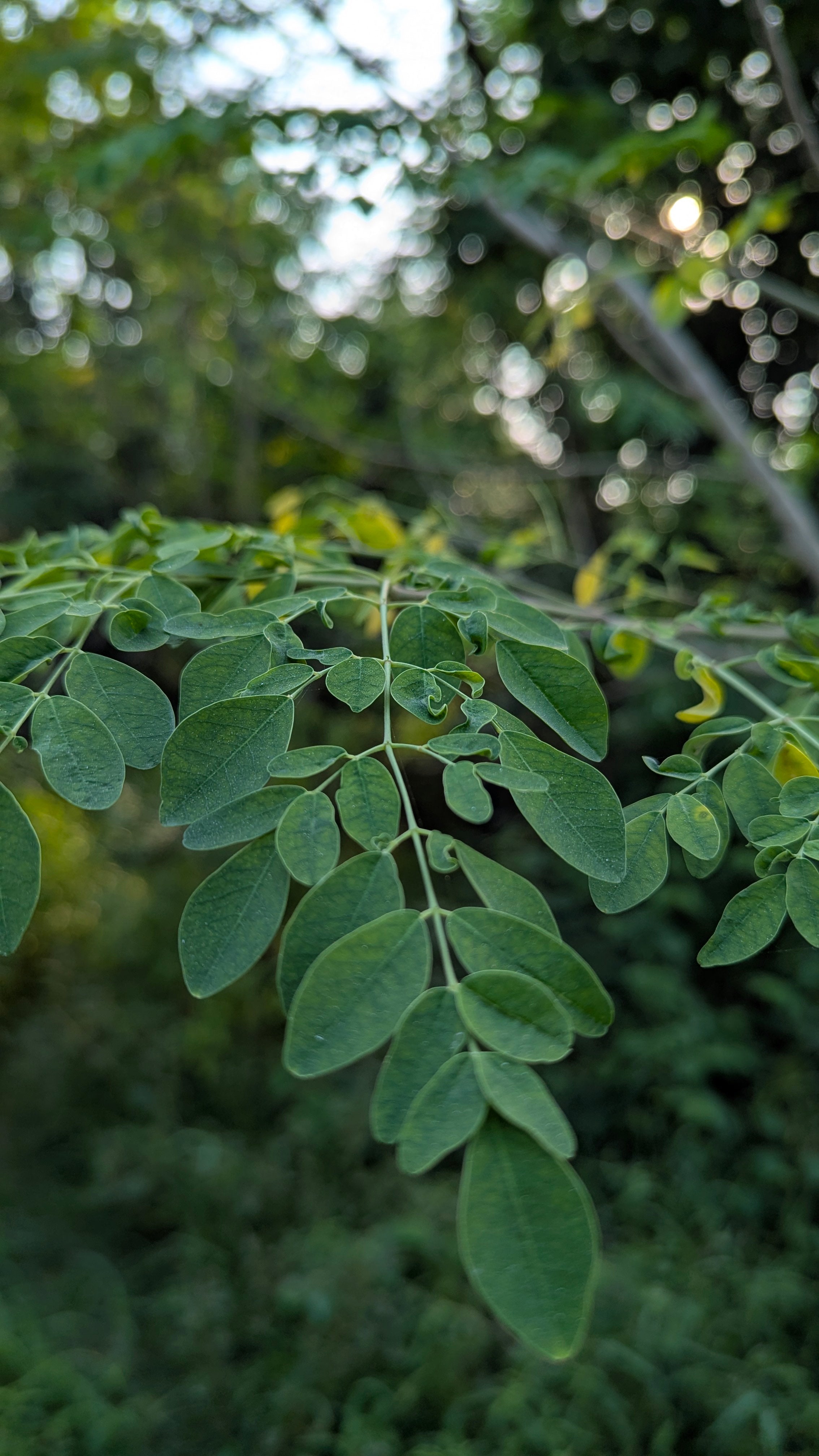
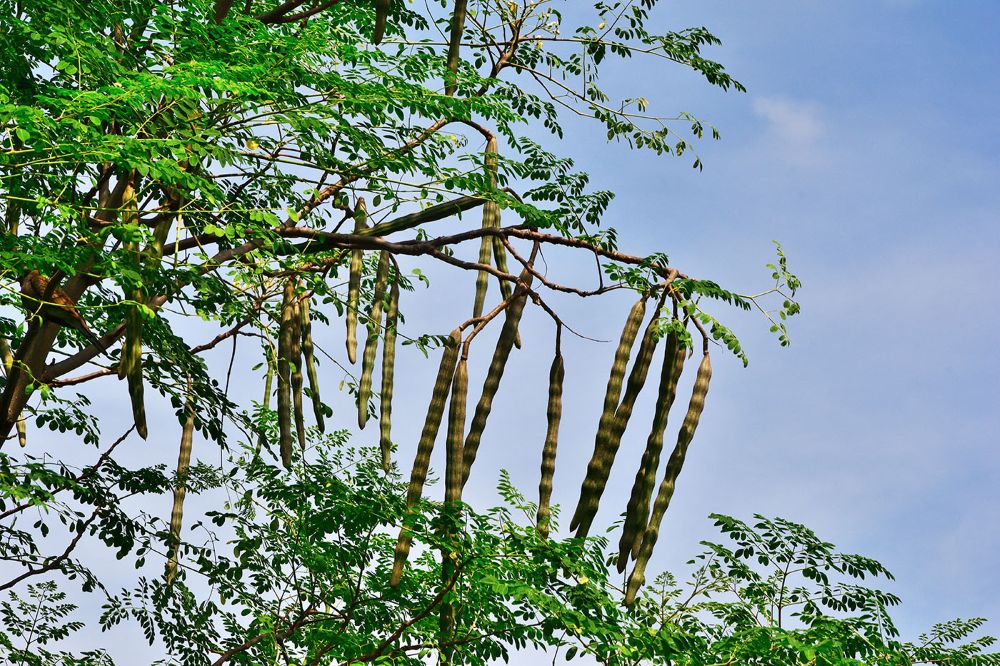
Moringa oleifera — sometimes called the "drumstick tree" — has been used as a food source across South Asia and parts of Africa for generations, long before "superfood" became a marketing term. Rather than lean on that word, it's worth looking at what moringa leaf powder actually contains, gram for gram, using real nutrient data.
What's actually in it
Per 100 grams of raw moringa leaves, USDA FoodData Central lists:1
- Vitamin C: ~51.7mg
- Calcium: ~185mg
- Iron: ~4mg
- Potassium: ~337mg
- Vitamin A (RAE): ~378µg
- Protein: ~9.4g
That's a meaningfully dense nutrient profile for a leafy green, which is why moringa has drawn sustained research interest. It's worth noting that leaf powder (dried and concentrated) will show different per-gram numbers than raw fresh leaves — drying concentrates some nutrients per gram while reducing others (like vitamin C, which is heat- and time-sensitive) — so treat the figures above as representative of the fresh leaf, not a guarantee of identical values in every dried product.
What the research actually says
Moringa has been studied for a range of potential properties — antioxidant activity, blood sugar and lipid effects, and general nutritional support — and there's a real and growing scientific literature on the plant.2 That said, it's important to be precise about the state of that evidence: much of the existing research consists of smaller human trials, animal studies, or laboratory (in-vitro) work rather than the large, long-term human clinical trials that would be needed to make strong, specific health claims. Moringa is a genuinely nutrient-dense food — that part is well documented. Claims beyond that should be treated as an active area of research, not settled fact.
How to actually use it
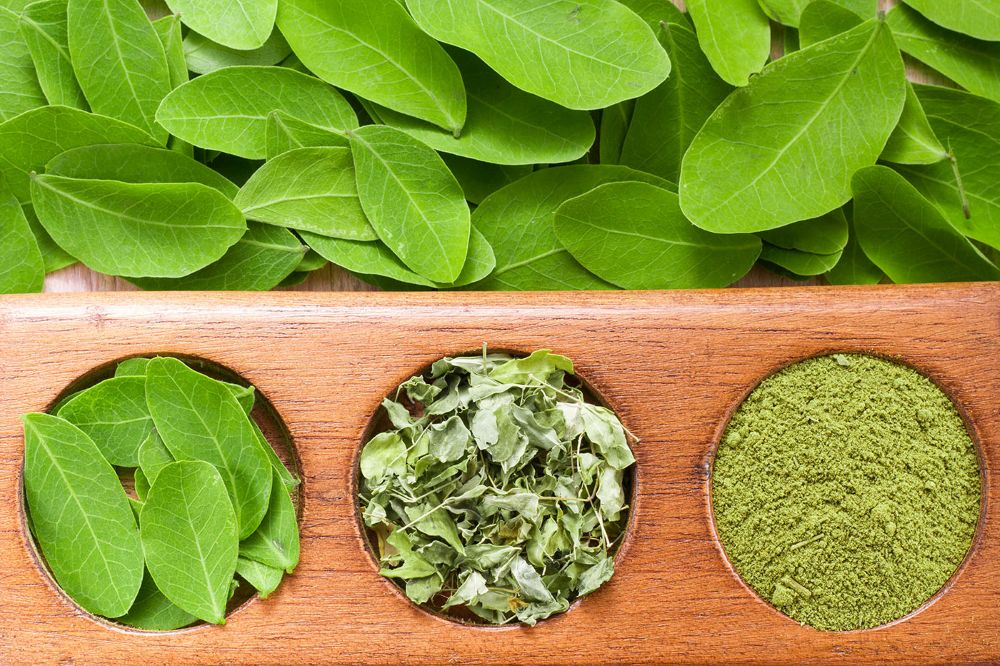
Moringa leaf powder has a mild, slightly grassy flavor that blends easily into:
- Smoothies (a teaspoon disappears into most fruit blends)
- Tea or hot water, stirred in directly
- Yogurt, oatmeal, or overnight oats
- Soups and stews, stirred in near the end of cooking to preserve heat-sensitive nutrients like vitamin C
FAQ
Is moringa a "superfood"?
"Superfood" isn't a regulated or scientific term — it's a marketing category. What's true is that moringa leaves are a genuinely nutrient-dense food by the numbers above. We'd rather point to the actual data than the label.
How much moringa powder should I take daily?
There's no single official recommended dose — most people who use it stir 1–2 teaspoons into food or drink per day. If you're pregnant, nursing, on medication, or managing a health condition, talk to a healthcare provider before adding any new supplement to your routine.
Does moringa taste like matcha?
Similar green color, milder and slightly more vegetal flavor — less bitter than matcha, closer to a mild spinach or green-tea hybrid taste.


Chef Khan —
I cannot believe the difference I have seen from using Ramanrasa spices. Customers have seen the noticed the subtle change. Thank you for the samples and we can’t wait until the release!