Cart
2
On this page
By Manny Singh, Founder, RamanRasa
These are real questions people ask about Ceylon cinnamon — pulled from what folks are actually typing and posting online. I'm going to answer the ones I can answer honestly, in plain words, and every factual claim below is cited so you can check it yourself.
Two things up front, so there's no confusion:
I am not a doctor. RamanRasa does not make health claims. We sell spice. Where a question is really a medical question — doses, drug interactions, treating a condition — I'll tell you straight that it's not mine to answer, and I'll show you what the cited sources say and where the line is. That's not me dodging. That's the deal: don't trust the label, ask for the paper — and don't take medical advice from a spice importer.
Part 1 — Real vs. Fake: The Questions That Matter Most
1. How can I tell real Ceylon cinnamon from cassia at the store?
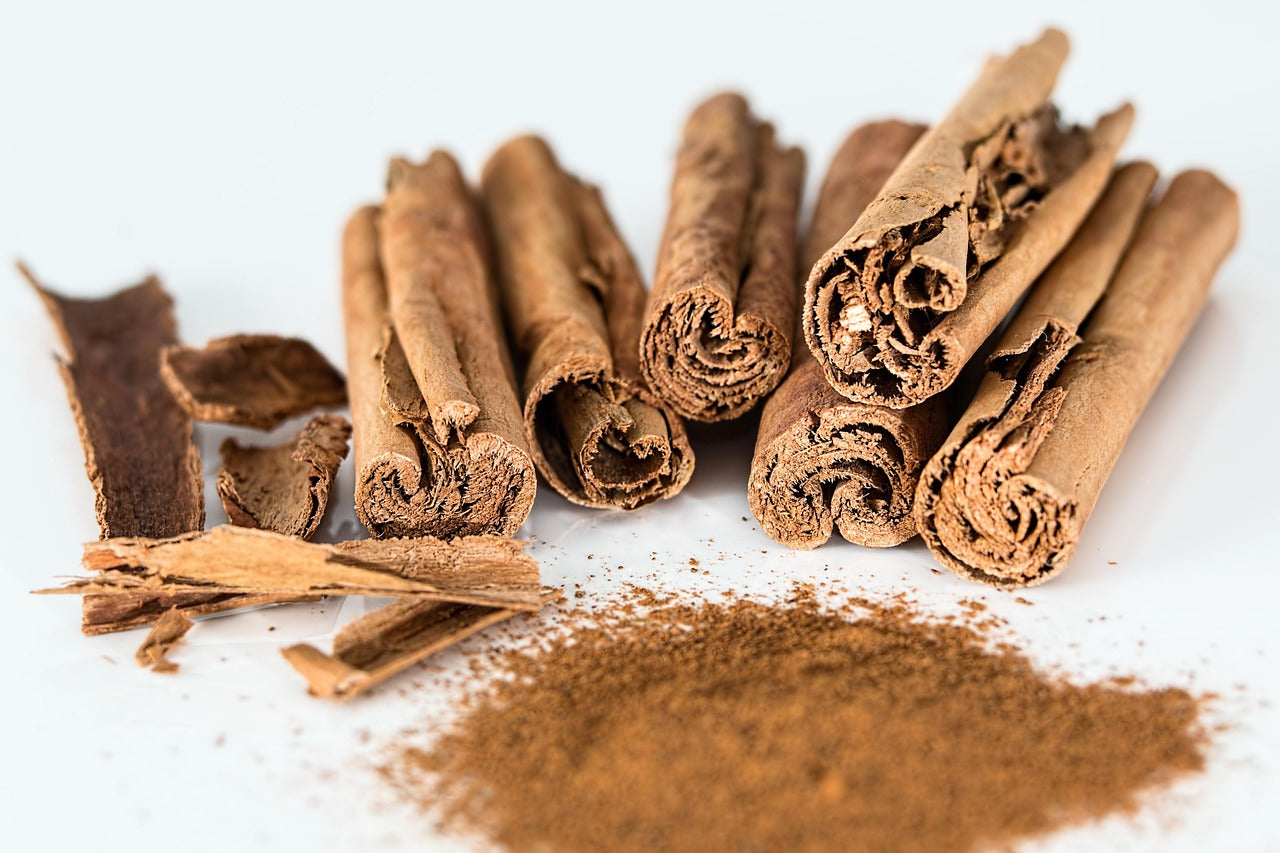
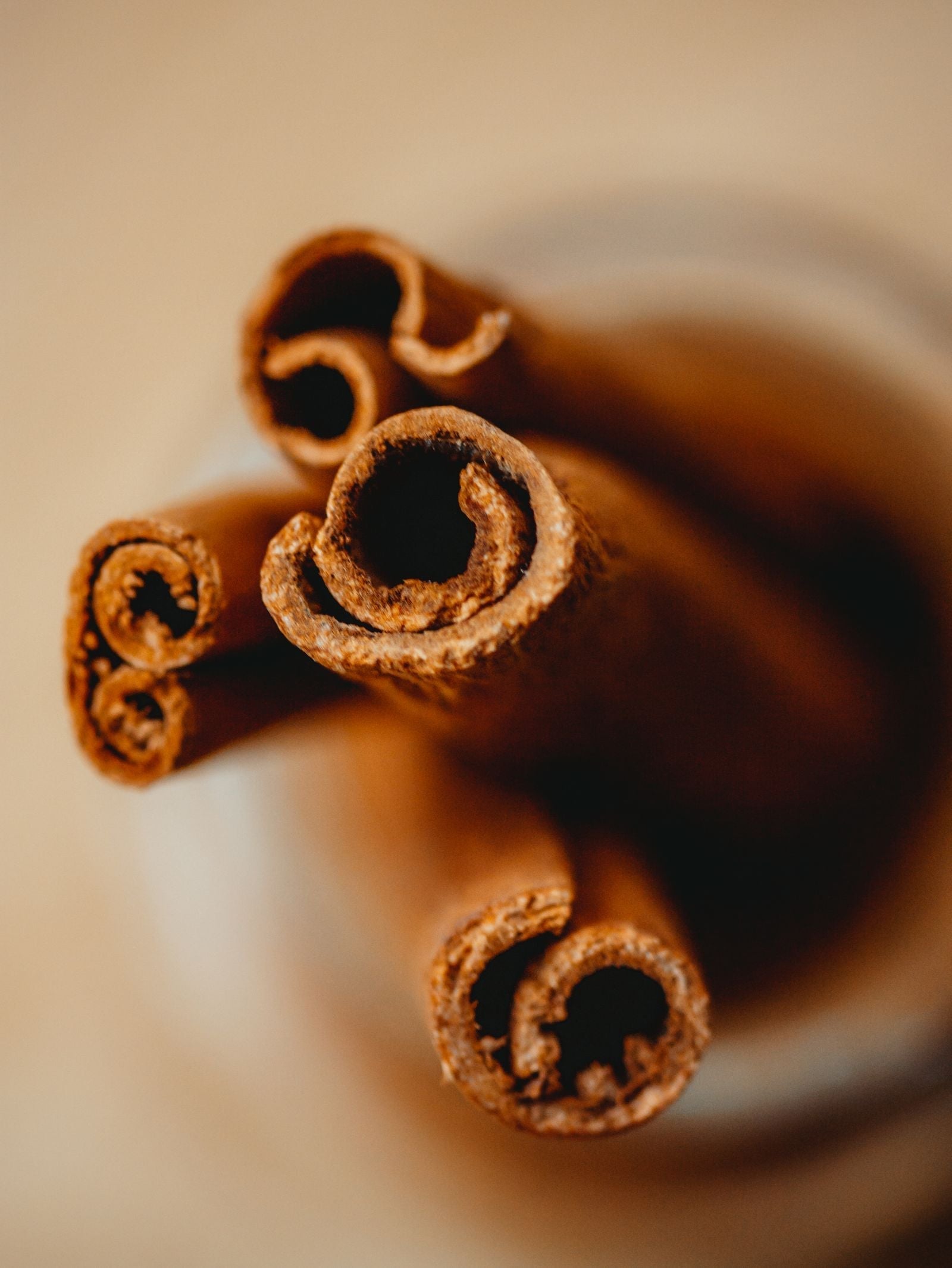
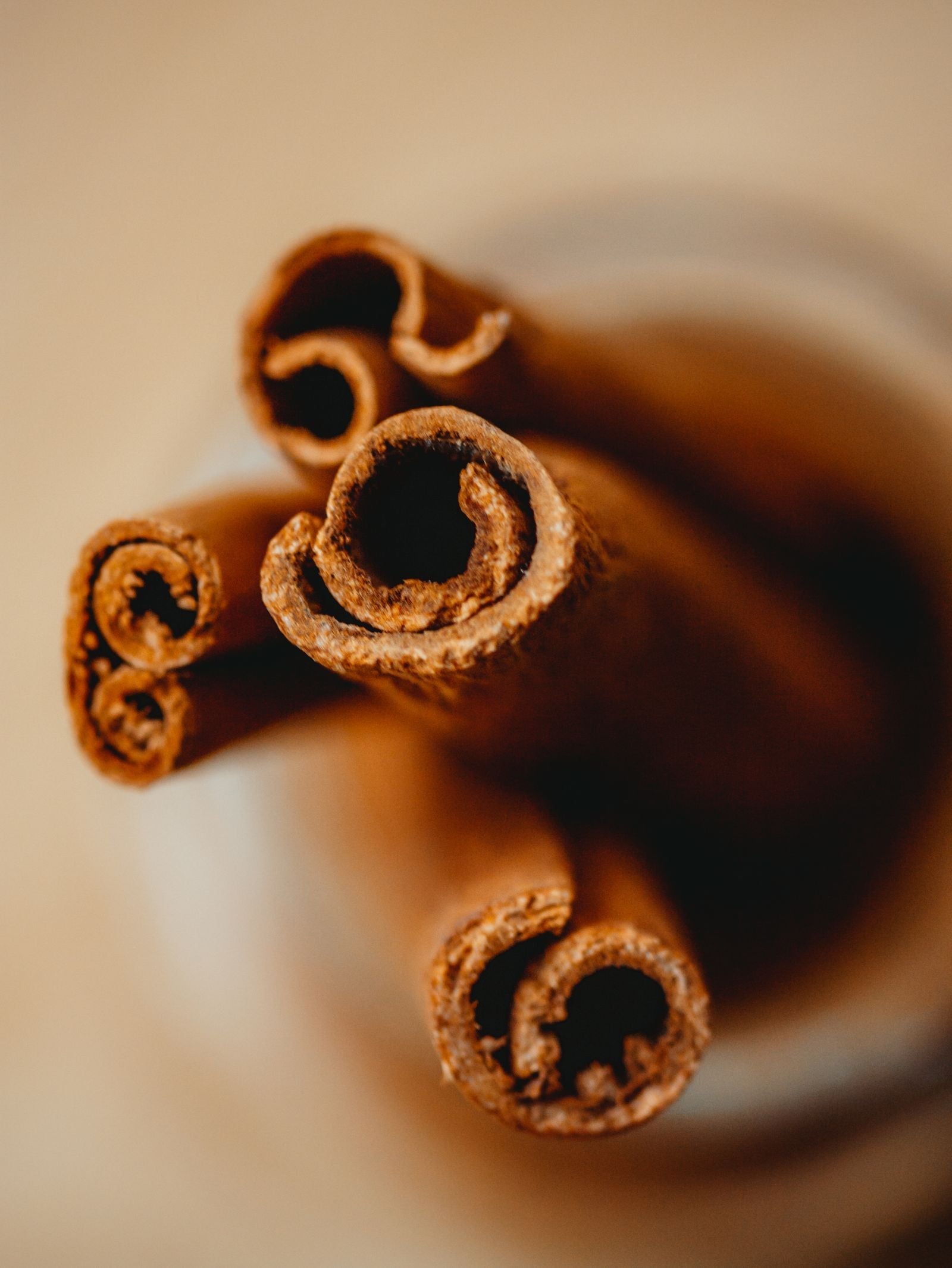
Look at the stick. Ceylon quills are thin, papery, and rolled from many fragile layers, like a cigar you could crush between your fingers. Cassia is one thick, hard piece of bark that curls in from both sides — you could practically stand on it. Ceylon bark oil is built around cinnamaldehyde at roughly 50–63%, while cassia oil is up to ~95% cinnamaldehyde — which is why cassia hits harder and harsher, and Ceylon tastes softer and sweeter.[6] And the number that matters most: Ceylon carries only trace coumarin, around 0.004%, while cassia carries far more.[6]
2. Ceylon vs. cassia — which should you buy?
Depends what you're doing. For an occasional bake, cassia is fine and it's cheap — it's the most common type sold in North America.[1] For daily use — in your coffee, your oatmeal, your tea, every single day — I buy Ceylon, because of the coumarin math in question 7 below. Species are different products. Buy the one that matches how you actually use it.
3. Is your cinnamon actually Ceylon? Here's how to check.
Three checks, same ones I use: (1) the label names the species — Cinnamomum verum (also printed as C. zeylanicum); if it just says "cinnamon," in North America it's usually cassia.[1] (2) The origin says Sri Lanka — Ceylon cinnamon grows primarily in Sri Lanka.[1] (3) The seller can show you paper — a certificate of analysis or a test report for the lot. If all three line up, it's real. If a seller can't produce any of them, that's your answer.
5. Best Ceylon cinnamon brands — what actually works?
I'm not going to rank my competitors; that list would be worthless coming from me. Judge any brand — including mine — on the three checks above: named species, Sri Lanka origin, lot-level testing paper. A brand that shows its paper beats a brand with a prettier bag, every time.
28. Why does Ceylon cinnamon taste different from "regular"?
Because it isn't the same plant. "Regular" cinnamon in most US stores is cassia. Ceylon's oil has a more layered mix — cinnamaldehyde plus eugenol, cinnamyl acetate, and linalool in the bark oil — so it reads sweet, citrusy, almost floral. Cassia is basically one loud note: hot and spicy. Neither is broken. They're just different instruments.
31. Organic vs. non-organic Ceylon — what's the difference?
The species and the taste are the same. What changes is the paper trail: certified organic means the growing and handling were audited against the organic standard — no synthetic pesticides or fertilizers in the chain, and a certifier checked. Non-organic Ceylon can still be excellent cinnamon; it just doesn't carry that verified chain. You're paying for verification, not a different spice.
33. How to buy Ceylon cinnamon online without getting scammed.
Run the three checks from question 3 before you pay, not after. Be suspicious of: no species named, no origin named, a price that looks like cassia wearing a Ceylon costume (see question 34), and health promises doing the selling — a seller who promises to cure something is telling you how they do business. Buy from sellers who publish their testing.
40. How to spot low-quality Ceylon cinnamon before buying.
Dead aroma is the first tell — fresh Ceylon should smell sweet and warm the second you open the bag; the flavor lives in volatile oil, and oil fades. Second: sticks that are thick, single-layer, and hard are cassia, whatever the label says. Third: no lot, no date, no paper. Fourth: ground cinnamon that's been sitting open — ground fades far faster than whole quills, which is why whole spices hold quality 3–4 years in the pantry while ground hold 2–3.[5]
Part 2 — Money Questions
4. Why does Ceylon cinnamon cost more — and is it worth it?
Labor. A skilled peeler produces about 4–5 kg of dried, processed cinnamon per day, and labor can account for up to 50% of the income in quill making — it's handwork that has resisted automation for centuries.[3] Sri Lanka's average yield is about 300 kg of quills per acre per year.[2] Cassia is thick bark stripped and dried with far less hand skill per kilo. Is it worth it? If you use cinnamon daily, the coumarin difference alone answers that. If it's twice a year in a pie, save your money.
32. Best Ceylon cinnamon suppliers for quality and price.
Same answer as question 5, from the buyer's side: species named, origin named, testing shown, and a facility certification behind the packing (ours is processed and packed at an FSSC 22000-certified facility in Sri Lanka). "Best price" on an unverified lot is the most expensive cinnamon you'll ever buy.
34. What price should you pay for real Ceylon cinnamon?
I'll give you the logic instead of a fake-precise number, because prices move: real Ceylon has hand-labor, low yield per acre, ocean freight, and testing baked into every pound — it cannot honestly sell at cassia prices. If a "Ceylon" bag is priced like the $4 supermarket jar, you're looking at cassia or a blend until proven otherwise. Our own 1 lb bag sells for $24.74 — that's what the real chain costs, delivered from Houston.
Part 3 — Everyday Use & Safety (The Parts I Can Answer)
7. Can you take Ceylon cinnamon every day?
As a spice, in the amounts people normally use in food — yes, that's the easy answer, and it's the cited one: the US National Center for Complementary and Integrative Health (NCCIH) says cinnamon is likely safe in amounts commonly used in foods.[1] The caution is about species and quantity over time: cassia's coumarin has reported interactions with the liver, prolonged cassia use can be an issue for sensitive people such as those with liver disease, and Ceylon contains only a trace amount of coumarin.[1] Europe's risk assessors set a tolerable daily coumarin intake of 0.1 mg per kg of body weight, and Germany's BfR calculates a 60 kg adult reaches it at roughly 2 g of cassia a day — while Ceylon barely registers on that scale.[7] Daily habit? That's the strongest practical reason to switch species.
29. Cinnamon allergy symptoms — what should you watch for?
The most common side effects reported for cinnamon are gastrointestinal problems and allergic reactions, especially at larger amounts or over long periods.[1] On skin, some types of cinnamon oil or powder can cause irritation or contact dermatitis.[1] If your body reacts to it — gut, skin, or breathing — stop and take it seriously; that's not a "push through it" situation.
30. How do I know if I'm sensitive to cinnamon smell?
Some types of cinnamon oil or powder cause skin irritation or contact dermatitis, and concentrated cinnamon scents bother some people for the same reason.[1] The honest test is boring: if cinnamon-heavy scents reliably give you itchy skin, irritation, or a headache, you're sensitive — use the spice in food, skip the concentrated oils and fragrances, and if it's severe, that's a conversation for an allergist, not a spice guy.
Questions 15, 16, 17, 18 — mixing cinnamon with medicines, blood thinners, caffeine.
I'm keeping my hands off the specifics here, on purpose. Here's the cited, general truth: NCCIH advises that if you take any type of medicine, talk with your health care provider before using cinnamon or other herbal products, because some herbs and medicines interact in harmful ways.[1] One thing I can clear up because it's pure chemistry, not advice: coumarin, the natural compound in cassia, is not warfarin — they're structurally related but distinct compounds with different activity; coumarin's documented concern is the liver at high intakes, per the European risk assessments.[8] But whether your medication plus your cinnamon habit is fine is a question for your doctor or pharmacist. Full stop.
Part 4 — The Health Claims: Straight Talk
Questions 9, 10, 22, 23, 24, 36, 37, and 38 ask whether cinnamon lowers blood sugar or A1c, burns fat, fights inflammation and joint pain, fixes digestion, lowers blood pressure, improves skin, or grows hair.
Here is the whole answer, and it's the reason this company doesn't make health claims: NCCIH's verdict, after reviewing the studies, is that research doesn't clearly support using cinnamon for any health condition, and it's unclear whether cinnamon supplementation helps diabetes or weight loss — higher-quality research would be needed.[1] A big part of the problem is that many studies don't even make clear which species or part of the plant was tested.[1] Cinnamon has a long history of traditional use — it was historically thought to help with inflammation, cough, and other conditions — but traditional use is not proof, and I'm not going to sell you proof I don't have.[1]
So: enjoy cinnamon because it's delicious and because you know exactly what species it is and what's in the lot. If you're hoping it will treat something, take that hope to your doctor, not to a checkout page. Any brand that promises you an A1c result is selling you something I won't.
Part 5 — In the Kitchen
19. Ground Ceylon vs. sticks — which is better?
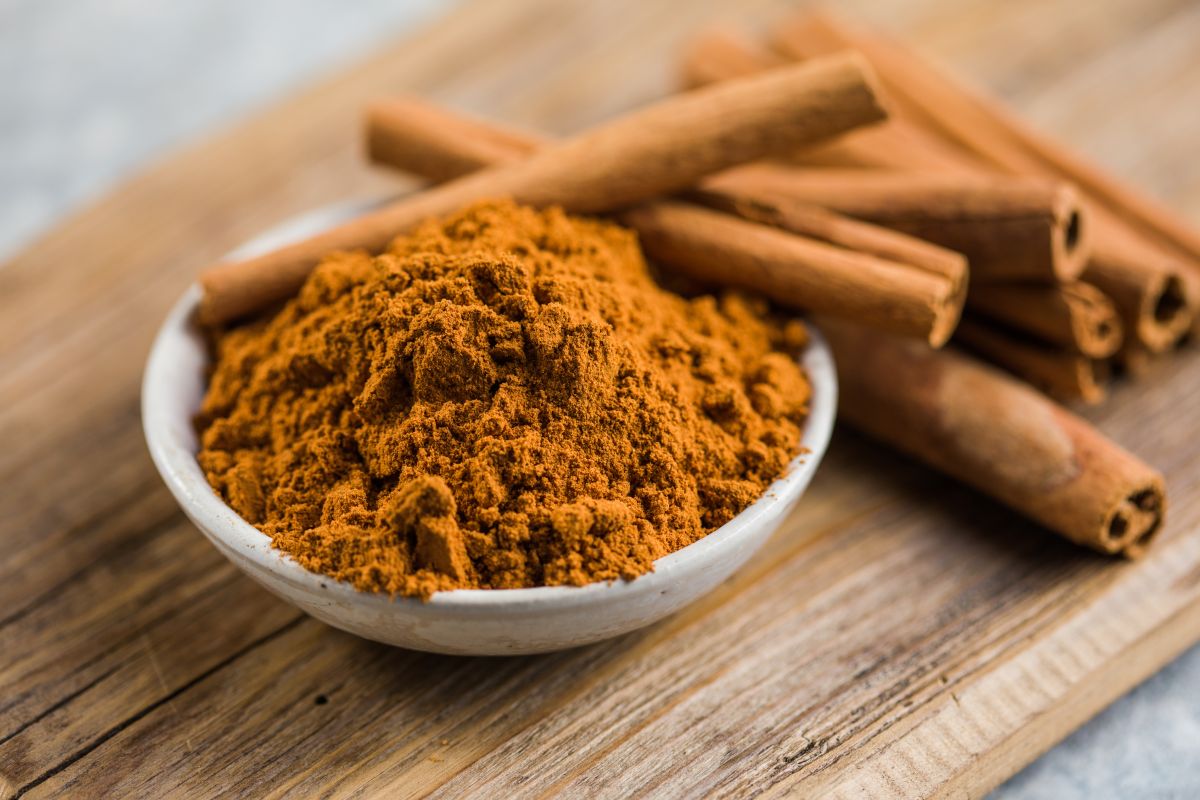
Sticks keep their oil longer and are better for steeping — teas, mulled drinks, rice, braises — anywhere the stick can sit in liquid and give slowly. Ground is better for baking and anything you need evenly distributed. Quality-wise, whole quills protect their oil; the day you grind, the clock starts. Buy sticks if you steep, buy ground if you bake — and if you bake daily, buy ground in sizes you'll actually finish.
25. Best ways to use Ceylon cinnamon daily.
Coffee, oatmeal, yogurt, smoothies, roasted sweet potatoes, rice, tea. Ceylon's softer flavor is built for daily food — it doesn't bulldoze a dish the way cassia can. My rule: if it's going in something every day, it should be the species that's safe every day, and it should be added like an ingredient, not a supplement.
26. Ceylon cinnamon in coffee — how to use it right.
Two ways that work: a pinch of ground in the grounds before brewing (it blooms with the coffee instead of floating on top), or a stick steeped in the pot. Start with less than you think — Ceylon is delicate, and the goal is warmth underneath the coffee, not a cinnamon drink with coffee in it.
27. Ceylon cinnamon tea.
Simmer — don't just steep — a stick or a teaspoon of pieces in water for 10–15 minutes; the flavor compounds live in bark oil and need time and heat to come out. Sweeten if you want. What I won't do is print "health benefits inside" on it: it's tea. It's good. That's the claim.
35. Powder vs. extract — which works better?
Different products, different jobs. Powder is the food — ground bark, full flavor, what you cook with. Extract is a concentrated supplement product, and once you're in supplement land you're back in Part 4: the evidence for health effects is unclear.[1] For cooking, powder wins and it isn't close. For anything else, ask a professional.
Part 6 — Storage & Shelf Life
20. How to store Ceylon cinnamon so it stays fresh.
Airtight, cool, dark, dry — away from the stove, not above it. The full answer is its own article on this blog, because preservation is a whole chain from the drying racks in Sri Lanka to your pantry: Is Cinnamon Preserved? How Its Quality Actually Survives the Trip.
21. Does Ceylon cinnamon go bad? Shelf life guide.
It doesn't really "spoil" like fresh food — it fades. USDA FoodKeeper guidance gives whole spices 3–4 years and ground spices 2–3 years in the pantry for quality, stored airtight and dry, and judged by aroma: if the smell is gone, the cinnamon is gone, whatever the date says.[5] The Codex standard for spices is about keeping moisture out — dry product, stored in a cool dry place, is stable product.[4]
Part 7 — Around the House
11, 12, 13. Does cinnamon keep bugs and ants away?
Honest answer: it's a folk remedy with a plausible mechanism — cinnamon's strong scent and oil are unpleasant to insects — and thin proof. NCCIH notes cassia is promoted as a mosquito repellent and states plainly that it's unclear whether it's effective as one.[1] A cinnamon line on a windowsill may annoy ants; it is not pest control, and an infestation needs a real solution. I'll sell you cinnamon for your kitchen, not as an exterminator.
14. Cinnamon for fleas on pets.
Not touching this one. What goes on your pet is a veterinarian question — animals metabolize concentrated oils differently than we do, and "natural" is not the same as "safe for your dog." Ask your vet.
Part 8 — Origin & Quality
39. Why does Ceylon cinnamon from different regions vary in quality?
Soil, rainfall, harvest timing, and — biggest of all — the hands. The same species peeled at the right moment in the rainy season, when sap flow lets the bark come off clean, grades higher than bark forced off dry stems.[3] Then grading sorts it: diameter, thickness, uniformity, color, and foxing decide whether a quill is Alba or a Hamburg grade.[2] Origin gets you the species; handling gets you the quality. That's why two bags both honestly labeled "Ceylon" can be completely different products.
Bonus Round — The Rest of Your Questions, Rapid Fire
- Ceylon vs. cassia health differences, explained: one number — coumarin. Trace in Ceylon (~0.004%), far higher in cassia, and that's a liver concern at sustained high intakes per the European assessments.[6][7]
- Why expensive cinnamon might actually save you money: because the cheap bag is usually a different species, old stock with the oil gone, or both — and you end up using twice as much to get half the flavor, then throwing it out.
- What "ethical sourcing" means here: farmers paid up front, a short chain you can actually trace, and testing paper published instead of adjectives. If a brand says "ethical" but can't show you the chain, it's a word, not a practice.
- Common cinnamon myths, debunked: "Cinnamon is cinnamon" (no — species differ chemically[1]). "It cures diabetes" (research doesn't clearly support cinnamon for any condition[1]). "More expensive means better" (no — paper means better). "Old cinnamon is dangerous" (it's usually just dead, not dangerous).
- How to get the most flavor from Ceylon: buy whole when you can, grind small amounts fresh, store it sealed and dark, and give sticks time and heat in liquid.
- Budget-friendly ways to use Ceylon daily: you don't need much — a quarter-teaspoon flavors a pot of coffee grounds or a bowl of oatmeal. A 1 lb bag at daily pinch-sized use lasts months, which is exactly why the per-day cost of the real thing is lower than people fear.
Questions I Left Out On Purpose
So you can see the whole board: I didn't answer the supplement-dose question (how many grams or capsules a day), the "best time to take it" question, or the skin and hair questions. Dose and timing are supplement-medicine questions, skin and hair benefits aren't supported by evidence I can cite, and all of them belong to professionals or to nobody — not to a spice brand's blog. If a question matters to your health, your doctor is the source. If it matters to your kitchen, I'm your guy.
Don't trust the label. Ask for the paper.
— Manny
RamanRasa.com
Sources
- National Center for Complementary and Integrative Health (NCCIH), "Cinnamon: Usefulness and Safety" (updated Nov 2024).
- Department of Cinnamon Development, Sri Lanka — "Post Harvest Technology" (grades, yields).
- Senaratne, R. & Pathirana, R. (2020), Cinnamon: Botany, Agronomy, Chemistry and Industrial Applications, via "The Art of Making Ceylon Cinnamon Quills; The Traditional Way" (peeler output; labor share).
- Codex Alimentarius, Code of Hygienic Practice for Spices and Dried Aromatic Herbs (CAC/RCP 42-1995, rev. 2014), FAO.
- Kansas State University Extension, MF3131 Safe Food Storage: The Cupboard (adapted from USDA FoodKeeper).
- Oketch-Rabah, H.A. et al. (2018), "Cinnamon and Cassia Nomenclature Confusion", Clinical Pharmacology & Therapeutics 104(3):435–445 (bark oil composition; coumarin ~0.004% in C. verum).
- EFSA / BfR coumarin tolerable daily intake (0.1 mg/kg body weight; ~2 g cassia/day reaches it for a 60 kg adult), BfR FAQ on coumarin in cinnamon, as summarized here.
- Curex, "Coumarin Allergy: Symptoms, Risks & Warfarin Facts" (coumarin is not warfarin).