Cart
0
Key facts
- Of the 10 grocery brands we checked, only four name a species on their pages. Most just say "cinnamon", or use a trade name like "Saigon" or "Korintje".
- "Saigon", "Korintje", "Vietnamese" and "Indonesian" cinnamon are cassia-family cinnamons. McCormick, Spice Islands and Frontier Co-op each describe their own Saigon, Vietnamese or Indonesian cinnamon that way on their own sites.
- True Ceylon cinnamon (Cinnamomum verum) is sold under that name by a few brands, including Simply Organic, Frontier Co-op and Penzeys.
- US rules let all of these be sold simply as "cinnamon". FDA policy guidance lists Ceylon, cassia and Saigon cinnamon under that one name, and there is no federal standard of identity for spices.
If you have ever stood in the baking aisle and wondered whether the jar in your hand is "real" cinnamon, the label usually will not tell you. So we did the checking: for each popular US grocery brand we read the product page, the ingredients and the brand's own FAQ or blog, and wrote down what the brand itself says about the type and origin of its cinnamon. This is a reading of labels and brand statements, not a lab test, and it is a snapshot from October 10, 2026. Brands change suppliers and wording, so use it as a guide to what to look for, and check your own jar.
How to read the words on a cinnamon jar
- "Ceylon" or Cinnamomum verum means true cinnamon.
- "Saigon", "Korintje", "Vietnamese", "Indonesian", "Chinese", "cassia" all point to the cassia family. Frontier Co-op, for example, classes both the Vietnamese and the Indonesian cinnamons it sells as cassia.
- Just "cinnamon" or "ground cinnamon" tells you nothing about species. That is legal in the US, and it is why a species name on the label is worth noticing.
Brand by brand: what each one says
Everything below is paraphrased from the brand's or retailer's own pages. "Species named" means a Latin name appears on the pages we read. Where a page is silent, we say it is silent; we have not assumed anything from price or reputation.
| Brand and product | What the brand's own pages say | Species named? |
|---|---|---|
| McCormick Ground Cinnamon | The brand's FAQ says all of its cinnamon comes from the cassia family and is mainly imported from Indonesia. Its customer Q&A says it does not make Ceylon cinnamon. The ingredient line reads simply "cinnamon". | In the FAQ: C. cassia |
| McCormick Gourmet Organic Ground Saigon Cinnamon | The FAQ says the Saigon cinnamons are C. loureirii, mainly from Vietnam. | In the FAQ: C. loureirii |
| Simply Organic Ground Cinnamon | The standard jar is described as Vietnamese cinnamon, C. aromaticum. A separate Ceylon jar is described as true cinnamon, C. verum. | Yes, on both jars |
| Frontier Co-op | Sells a Ceylon cinnamon grown in Sri Lanka (C. verum), and separately labeled Korintje (C. burmannii) and Vietnamese cinnamons. Its blog classes the Korintje and Vietnamese types as cassia. | Yes |
| Spice Islands Ground Saigon Cinnamon | Its blog says the brand uses only cassia cinnamon, sourced from Vietnam. | Type stated (cassia); no Latin name on the pages we read |
| Costco Kirkland Signature Organic Ground Saigon Cinnamon | Sold as "Saigon" cinnamon and USDA Organic. The Costco Business Center page says the product is from Vietnam. The pages we read name no species. | No |
| Trader Joe's Organic Ground Cinnamon | The product description says it is organic Saigon cinnamon from Vietnam, while the ingredient line says only "organic ground cinnamon". | No |
| Walmart Great Value Ground and Organic Ground Cinnamon | The two product pages we read describe the spice as cinnamon and name neither a species nor a country of origin. | No |
| Whole Foods 365 Organic Ground Cinnamon | The standard organic jar lists the ingredient as organic cinnamon and states no species or origin. The brand also sells separate Vietnamese and Korintje jars, named by origin or trade name only. | No |
| Penzeys | Sells cinnamons by origin name: Ceylon (from Sri Lanka), Vietnamese and Korintje. Its everyday ground cinnamon is a hand-mixed blend of several of these, including Ceylon. | No Latin names; origin names only |
| Badia Cinnamon Powder | The page describes the spice as cinnamon "burmanni" (C. burmannii) and lists Vietnam as the origin. | Yes: C. burmannii |
Not checked: Kroger's product pages were blocked to us, so we have nothing to report for Kroger and Private Selection cinnamon. We did not test any product in a laboratory.
What the pattern tells you
Most jars are cassia-family. Where a brand states the type, it is cassia in some form: McCormick says so outright, Spice Islands calls its Saigon cinnamon cassia, and Frontier classes the Indonesian and Vietnamese types as cassia. Several of the big store brands say "Saigon" or "Vietnamese" and leave the rest unsaid.
Ceylon exists on the shelf, but you have to look for it. It is sold as its own named product by Simply Organic, Frontier Co-op and Penzeys, and Frontier itself describes Ceylon as less common in grocery stores.
The rules explain why labels are vague. FDA's policy guidance on spices says no standards of identity have been set for them, and it describes "cinnamon" as the dried bark of Ceylon, Chinese cassia or Saigon cinnamon. The labeling regulation lists cinnamon among spices that may be named by their common name, with no species requirement. That is the gap we explain in more detail in our guide to the US cinnamon label.
Why it matters to some cooks: the species differ in flavor and in how much coumarin they contain, which is why some people want to know which one they are using. We cover the published numbers in our coumarin article. None of this means cassia is unsafe to cook with occasionally; it is about knowing what you bought.
Check your own jar in a minute
- Read the front label for "Ceylon", "Cinnamomum verum" or "true cinnamon".
- Read the ingredients. A plain "cinnamon" is a blank. A named type (Saigon, Korintje, Vietnamese) points to cassia.
- Check the brand's website. As the table shows, some species statements live in an FAQ, not on the jar.
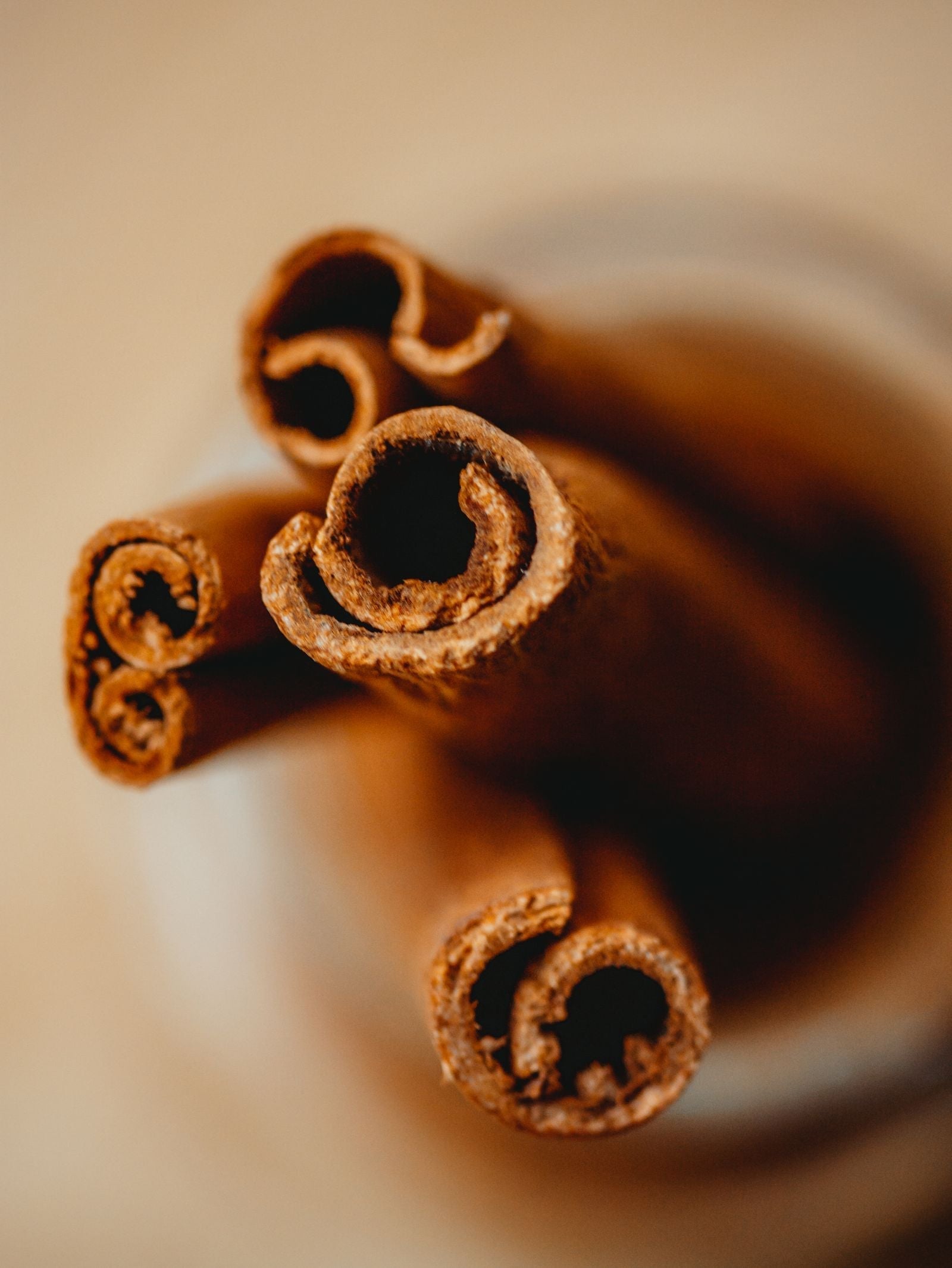
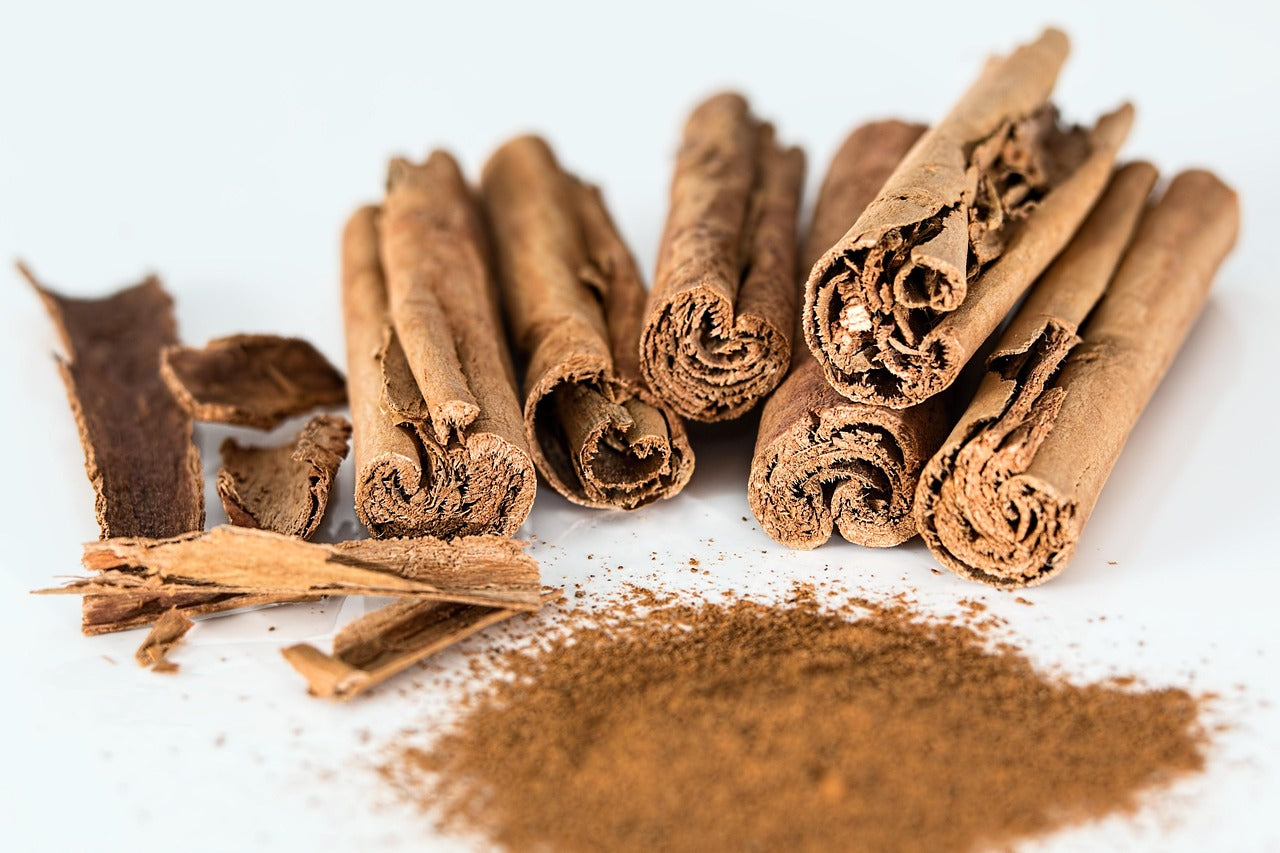
- Look at the sticks, if you have them. Ceylon quills are thin, papery layers; cassia is usually one thick, hard roll. Our how-to-tell guide has the full set of home checks.
- Ask the brand. A short email asking "which species is this?" usually gets an answer, and not getting one is also information.
Our own label says the species
RamanRasa Ceylon Cinnamon Powder is Cinnamomum verum, single-origin from Sri Lanka. USDA Organic, Fair Trade Certified, GMO Free. Sold as a 1 lb powder. It is sold out right now; the next batch arrives in Houston on October 17.
Ceylon Cinnamon Powder → · Buy Ceylon cinnamon: what you are getting
FAQ
Is McCormick cinnamon Ceylon?
No. McCormick's own FAQ says all of its cinnamon comes from the cassia family, and its customer Q&A says it does not make Ceylon cinnamon.
Is Saigon cinnamon the same as Ceylon?
No. Saigon cinnamon is a cassia-family cinnamon from Vietnam. Spice Islands and Frontier Co-op both describe it that way, and McCormick identifies its Saigon cinnamon as Cinnamomum loureirii, not C. verum.
Is Costco or Trader Joe's cinnamon Ceylon?
The pages we read describe both as Saigon cinnamon from Vietnam, which is a cassia-family type, not Ceylon.
Does "organic" cinnamon mean it is Ceylon?
No. Organic describes how the plant was grown, not which species it is. The Simply Organic and Whole Foods jars above are organic cinnamon of different types.
Know Your Cinnamon — related reading
- How to Tell If Your Cinnamon Is Ceylon or Cassia: 3 Simple Checks — the home checks, and why the iodine test is unreliable
- Why "Cinnamon" on a US Label Doesn't Mean What You Think — the regulation behind the vague labels
- What Is True Cinnamon? Ceylon Cinnamon Explained — the species behind the word
- What Is Coumarin in Cinnamon? — the published numbers for each type
- Know Your Cinnamon — the whole cluster in one place
Want true Ceylon cinnamon powder?
Our next batch arrives in Houston on October 17. Leave your email and we will tell you the moment it is ready to order.
Sources
- McCormick, FAQ: What Type of Cinnamon Do You Offer? Does it Contain Coumarin? (read Oct 10, 2026)
- McCormick Ground Cinnamon, 2.37 oz, product page and customer Q&A (read Oct 10, 2026)
- McCormick Gourmet Organic Ground Saigon Cinnamon, 1.25 oz, product page (read Oct 10, 2026)
- Simply Organic Cinnamon, Ground, 2.45 oz, product page (read Oct 10, 2026)
- Simply Organic Ceylon Cinnamon, Ground, 2.08 oz, product page (read Oct 10, 2026)
- Frontier Co-op, Why Ceylon Cinnamon Deserves a Spot in Your Pantry, brand blog (read Oct 10, 2026)
- Frontier Co-op Ceylon Cinnamon, Ground, Regenerative Organic Certified, 1.41 oz, product page (read Oct 10, 2026)
- Spice Islands, Everything You Need to Know About Spice Islands Ground Saigon Cinnamon, brand blog (read Oct 10, 2026)
- Costco, Kirkland Signature Organic Ground Saigon Cinnamon, 10.7 oz, 2-count, product page (read Oct 10, 2026)
- Costco Business Center, Kirkland Signature Organic Ground Saigon Cinnamon, 10.7 oz, product page (read Oct 10, 2026)
- Trader Joe's, Organic Ground Cinnamon, product page (read Oct 10, 2026)
- Walmart, Great Value Kosher Ground Cinnamon, 2.5 oz, product page (read Oct 10, 2026)
- Walmart, Great Value Organic Ground Cinnamon, 1.5 oz, product page (read Oct 10, 2026)
- Whole Foods Market, 365 Organic Ground Cinnamon, 1.9 oz, product page (read Oct 10, 2026)
- Penzeys Spices, Ceylon Cinnamon, Ground, product page (read Oct 10, 2026)
- Badia Spices, Cinnamon Powder, 2 oz, product page (read Oct 10, 2026)
- FDA, Compliance Policy Guide Sec. 525.750, Spices - Definitions
- 21 CFR 101.22, Foods; labeling of spices, flavorings, colorings and chemical preservatives, eCFR