Cart
0
Key facts
- RamanRasa sells Ceylon cinnamon powder only. We do not sell sticks. This guide is for anyone deciding between the two forms, wherever they shop.
- Whole spices give a milder, gentler flavor and are removed before serving; ground spices suit dishes where you want the flavor blended throughout.3
- North Dakota State University Extension says most ground spices keep their flavor for about one year, while whole spices such as cinnamon sticks keep theirs for about two.2
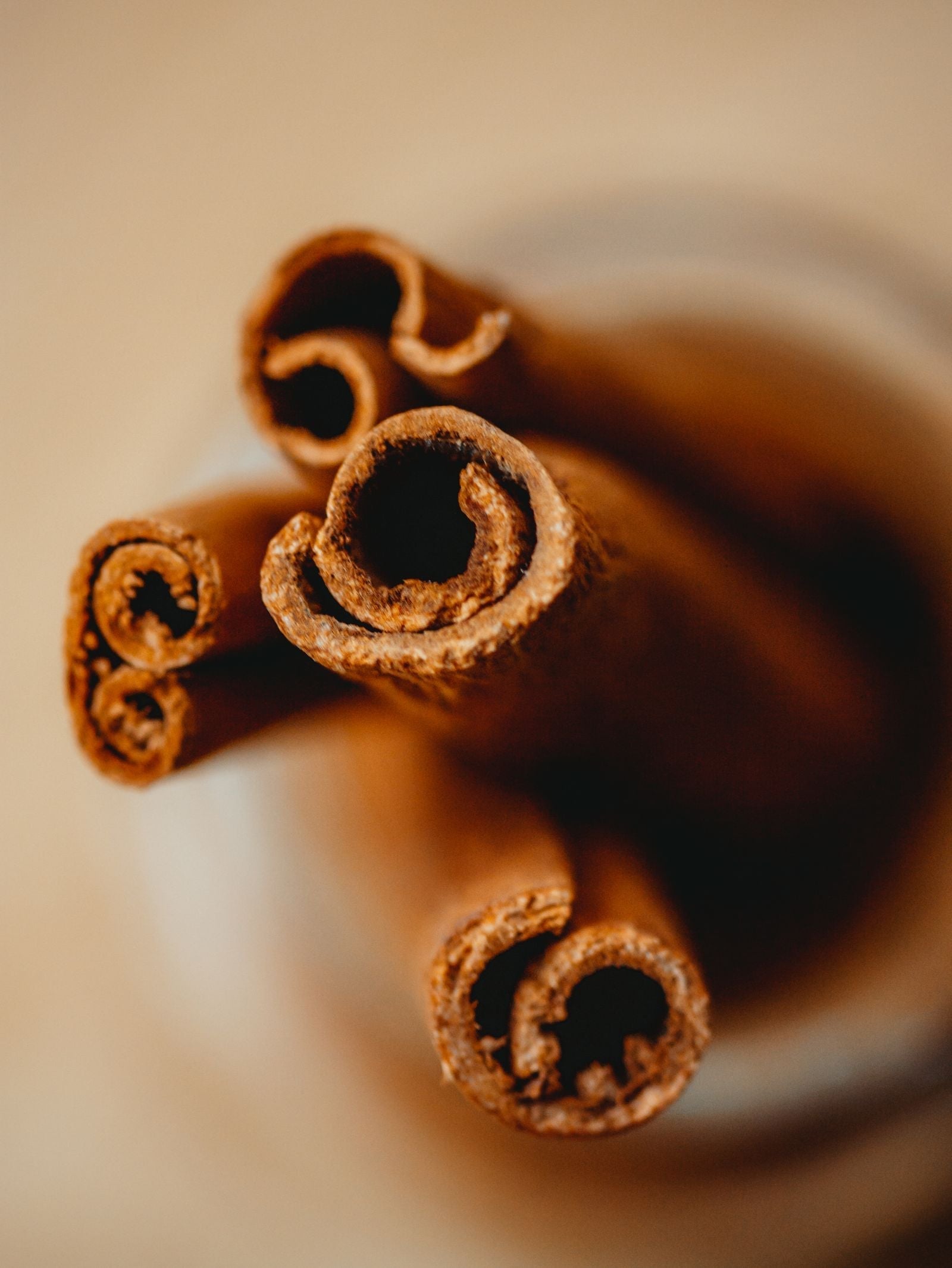
- Real Ceylon quills are tan-brown and smooth, made of tight, thin layers. Cassia sticks are darker, thicker, double-sided rolls with a hollow center.1
- Once cinnamon is ground, it is very difficult to tell the species apart without microscopic identification, so the seller's labeling matters more for powder.1
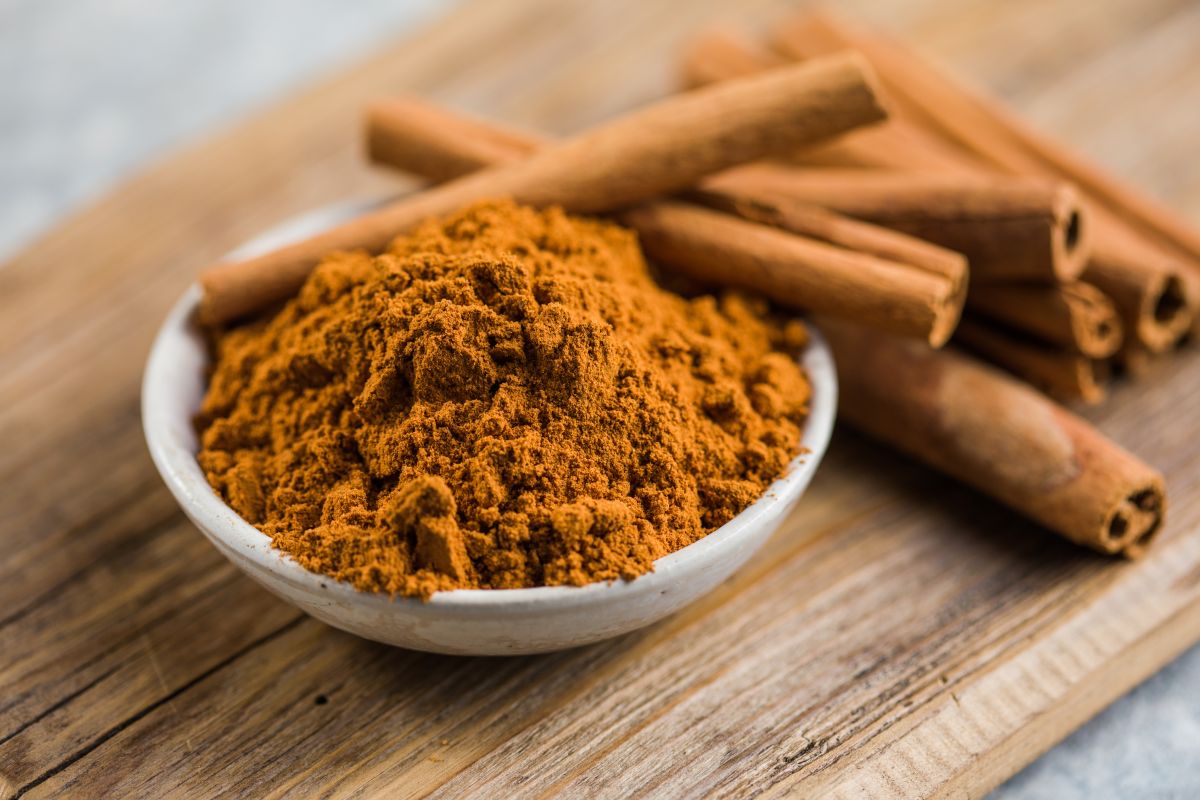
People searching for Ceylon cinnamon sticks are usually deciding between whole quills and ground cinnamon. Both come from the same bark, and the right choice depends mostly on what you are cooking. Here is how to pick, how to spot real Ceylon quills, and an honest note on what we sell.
When to use cinnamon sticks (quills)
Whole quills are for infusing. Simmer one in tea, mulled drinks, rice, oatmeal water, syrups or a braise, then take it out before serving. Milk Street's guidance on whole versus ground spices says whole spices give a mild, gentle flavor and should be removed before serving in dishes like braised meats.3 Whole sticks are also a practical choice if you want to grind a small amount fresh: the same source says spices that are not edible whole should be cracked or coarsely ground before they go into food.3
Whole quills also keep their flavor longer than ground cinnamon, which matters if you only cook with cinnamon now and then.2
When to use ground cinnamon
Ground cinnamon is for dishes where you want the flavor in every bite: baking, batters and doughs, oatmeal, smoothies, rubs and spice blends. Milk Street describes ground spices as best when you want a flavor to blend into the foundation of a whole dish.3 It also saves a step. There is nothing to fish out or grind, and it measures out evenly by the spoonful.
Shelf life: ground vs whole
NDSU Extension's guidance is that most ground spices retain their flavor for about one year, while whole spices, such as cloves and cinnamon sticks, retain their flavor for two years. It recommends tightly covered containers in a cool, dry, dark place and marking the purchase date on the container.2 Treat those as general guidance: heat, light, moisture and how long a spice sat before you bought it all matter. If a ground cinnamon smells faint, it is adding little flavor.
Sticks vs powder at a glance
| Quills (sticks) | Ground | |
|---|---|---|
| Best for | Infusing liquids, simmered dishes, grinding fresh | Baking, batters, oatmeal, smoothies, rubs |
| Flavor | Milder and gentler, removed before serving | Blends through the whole dish |
| Convenience | Needs removing or grinding | Measure and use |
| Flavor shelf life (NDSU Extension) | About two years | About one year |
| Checking the species | You can see the bark structure | Very hard without microscopy, so rely on the label and the seller |
How to recognize real Ceylon quills
If you are buying sticks, the bark is your best clue. In a study of cinnamon label transparency, the authors describe the Ceylon quill as tan-brown and smooth in texture, composed of tight, thinner layers. Cassia bark peels are dark brown-red, double-sided rolls with a hollow structure, thicker, lumpier and tougher.1 If you can see many thin layers rolled together, it is very likely Ceylon. If it is one thick, hard curl of bark, it is more likely Cassia.
Also read the label for the word "Ceylon" or Cinnamomum verum. US labels can say just "cinnamon" without naming the species. We explain why in Why "Cinnamon" on a US Label Doesn't Mean What You Think, and our 3-checks guide covers label, bark and taste in more detail.
What we sell, and what we do not
To be direct: RamanRasa sells Ceylon Cinnamon Powder only. We do not sell cinnamon sticks, so if you want quills you will need to buy them elsewhere, and the checks above apply to whoever you buy from.
Ceylon cinnamon powder, single-origin Sri Lanka
Our Ceylon Cinnamon Powder is Cinnamomum verum from single-origin Sri Lanka, in a 1 lb pouch. It is USDA Organic, Fair Trade Certified and GMO Free, with a Geographical Indication (GI) certificate for Ceylon cinnamon. It is produced and packed at origin in Sri Lanka; RamanRasa is a certified handler and stores pouches in a USDA-certified facility in Houston, Texas.
It is currently sold out. The next batch arrives in Houston on October 17, 2026, and you can join the restock list on the product page. Independent per-batch third-party testing is planned for every batch, with results published once each batch is in our Houston facility.
FAQ
Do you sell Ceylon cinnamon sticks?
No. We sell powder only. Our Ceylon Cinnamon Powder is sold out until the next batch arrives in Houston on October 17, 2026.
Which is better, cinnamon sticks or ground cinnamon?
Neither is better in general. Sticks suit infusing and simmering and keep longer; ground suits baking and anything where you want the flavor blended through.32
How long does ground cinnamon last?
NDSU Extension says most ground spices keep their flavor for about one year. Store it in a tightly covered container in a cool, dry, dark place, and check the aroma: a faint smell means little flavor.2
How can I tell Ceylon sticks from Cassia sticks?
Look at the layers. Ceylon quills are tight, thin layers rolled together with a smooth texture; Cassia is a thicker, darker, double-sided roll with a hollow center.1
Can I tell Ceylon from Cassia once it is ground?
Not reliably at home. The study above says it is very difficult to differentiate the two after powdering without microscopic identification, which is why the seller's labeling and openness about testing matter.1
This content is for informational purposes only and not medical advice. Consult a healthcare professional for health-related concerns.
Know Your Cinnamon: related reading
- Know Your Cinnamon: the full picture in one place, covering labeling, coumarin, lead, and how to check what is in your jar
- How to Tell If Your Cinnamon Is Ceylon or Cassia: three practical checks
- What Is True Cinnamon? Ceylon Cinnamon Explained: what the name means and how it differs from Cassia
- Ceylon vs. Cassia Cinnamon: What's Actually in Your Spice Pouch?: the two species side by side
- Ceylon Cinnamon guide: what real cinnamon tastes like and how to use it
Sources
- Clean vs Dirty Labels: Transparency and Authenticity of the Labels of Ceylon Cinnamon, PLOS ONE via PMC (international dataset, not US-only)
- Garden-Robinson, J., Spice Up Your Menus, Prairie Fare, NDSU Extension, February 9, 2012
- Card, M., When to Use Whole Spices vs. Ground Spices, Christopher Kimball's Milk Street, April 2022