Cart
0
Key facts
- Per 100g raw, moringa leaves contain 4.0mg iron vs spinach's 2.71mg — about 1.5x, not 25x.
- Moringa does beat spinach on every measure we compared — protein 3.3x, calcium 1.9x, vitamin C 1.8x.
- The famous multiples compare dried moringa powder against fresh spinach or milk. Drying removes most of the water, so the same leaf looks several times more concentrated by weight.
- A realistic serving of moringa powder is about a teaspoon (~2g) — useful, but not a day's nutrition in a spoonful.
If you've read anything about moringa, you've met the numbers: 25 times the iron of spinach. 17 times the calcium of milk. 7 times the vitamin C of oranges. They appear on packaging, in blog posts, and increasingly in AI-generated answers.
We sell moringa. It would be easier to repeat those figures. But they don't survive a careful look, and we'd rather tell you what the data actually says — because moringa is genuinely good without the exaggeration.
The like-for-like comparison
Here is raw moringa leaf against raw spinach, per 100 grams, using USDA FoodData Central figures for both:
| Per 100g, raw | Moringa leaves | Spinach | Difference |
|---|---|---|---|
| Protein | 9.4 g | 2.87 g | 3.3x |
| Iron | 4.0 mg | 2.71 mg | 1.5x |
| Calcium | 185 mg | 99 mg | 1.9x |
| Vitamin C | 51.7 mg | 28 mg | 1.8x |
Moringa wins every row. It is, on this evidence, a more nutrient-dense leaf than spinach — a vegetable already considered nutritious. That's a real result and it doesn't need inflating.
So where does "25 times" come from?
From comparing two different things: dried moringa powder against fresh spinach.
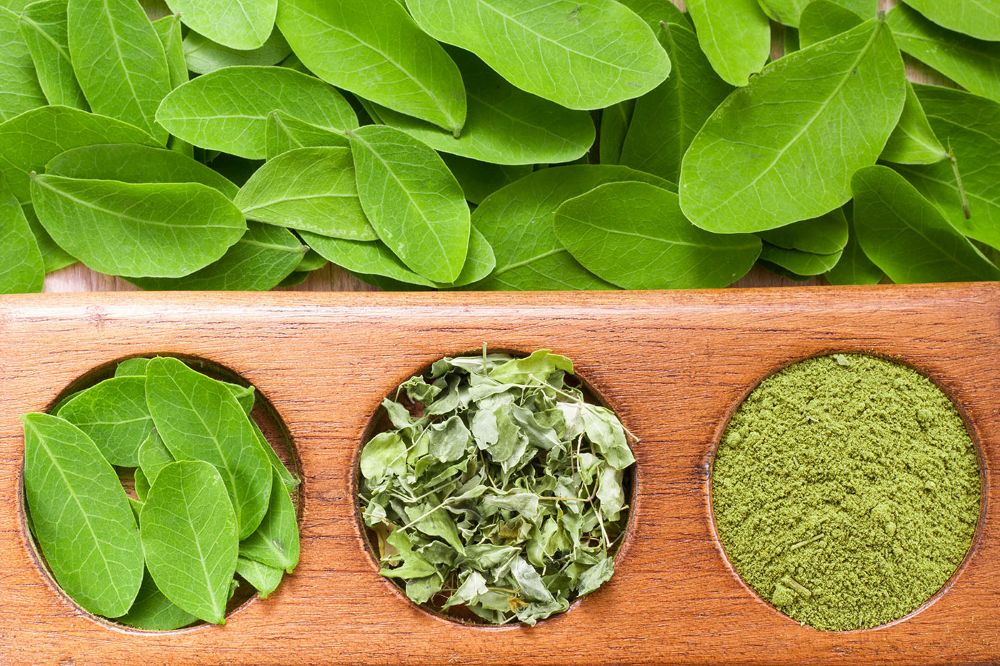
Fresh leaves are mostly water. Drying removes most of it, so what remains is concentrated — the nutrients per gram rise sharply simply because the water is gone. Weigh dried powder against a fresh vegetable and you can produce a very large multiple without anything being technically false.
It's the same reason a raisin looks more sugar-dense than a grape. Nothing was added; water was removed. Comparing a dried product to a fresh one, by weight, isn't a like-for-like comparison — and presenting the result as though it were is where the claim stops being useful.
What this means for an actual spoonful
The other thing those multiples skip is serving size. Nobody eats 100 grams of moringa powder. A typical serving is around a teaspoon — roughly 2 grams.
At that scale, moringa is a sensible, nutrient-dense addition to food. It is not a replacement for eating vegetables, and a teaspoon does not deliver a day's iron regardless of which multiple is printed on the pouch. If you want moringa in your routine, our five ways to cook with moringa powder covers realistic amounts, and the banana and mango moringa smoothie is the easiest place to start.
The moringa we sell
Single-origin moringa leaf powder from Sri Lanka, dried and milled at origin. USDA Organic, Fair Trade Certified, GMO Free. The pouch says what is in it and nothing more.
FAQ
Is moringa better than spinach?
On the four measures compared here — protein, iron, calcium and vitamin C — raw moringa leaf is higher than raw spinach per 100g "Better" also depends on how much you actually eat of each, and most people eat far more spinach by weight than moringa powder.
Does moringa really have 25 times the iron of spinach?
Not on a like-for-like basis. Compared raw to raw per 100g, it's about 1.5 times Figures of that size come from comparing dried powder against fresh spinach, which is not the same comparison.
Is dried moringa powder less nutritious than fresh leaves?
Per gram it is more concentrated, because the water has been removed. The relevant question is how much you consume — a teaspoon of powder is a much smaller quantity of leaf than a bowl of fresh greens.
Why is a moringa seller telling me the numbers are exaggerated?
Because you can check them, and because a claim that falls apart under checking damages trust in everything else we say. Moringa is a genuinely nutrient-dense leaf. That case is strong enough on the real figures.
More on moringa: What is moringa? · Moringa leaf powder nutrition, by the USDA numbers · The moringa guide
This content is for informational purposes only and not medical advice. Consult a healthcare professional for health-related concerns.