Cart
0
Key facts
- Under US federal regulation 21 CFR 101.22, "cinnamon" is an acceptable label for either Cinnamomum verum (true Ceylon cinnamon) or Cinnamomum cassia — the law does not require the species to be disclosed.1
- In September 2024, the American Spice Trade Association (ASTA) issued a formal response after Consumer Reports found lead in commercial cinnamon products — publicly acknowledging that "economically motivated adulteration" is a real risk in the category.2
- A July 2025 peer-reviewed study of 104 commercial cinnamon samples sold in Europe found 66.3% failed at least one quality or safety criterion.3 That's European retail data, not a US finding — but it shows this isn't a fringe concern.
- Cassia contains substantially more coumarin than Ceylon cinnamon — a compound regulators monitor because large amounts can stress the liver over time.
If you've ever wondered whether the cinnamon in your pantry is "real" cinnamon, the honest answer starts with a fact most people don't expect: in the United States, it legally doesn't have to be.
The label loophole
Most cinnamon sold in US groceries is Cassia — a related but different species from true Ceylon cinnamon (Cinnamomum verum). Under federal labeling rules, that's not a violation. Regulation 21 CFR 101.22 lists "cinnamon" among the spices that can be declared by their common name, and cassia is commonly sold under that same name.1 The American Spice Trade Association, the industry's own trade body, confirms this is the accepted practice: both species can be labeled simply "cinnamon" for sale in the US.4
That's a genuine gap, not a conspiracy — cassia and Ceylon are closely related, and the rule predates the current level of public interest in the difference. But it does mean a label reading "Cinnamon" tells you almost nothing about which plant is actually in the jar.
Why this became a public issue in 2024
In September 2024, ASTA issued an official response after Consumer Reports published an investigation into lead levels in commercial cinnamon products. 2ASTA's position was that Consumer Reports used a stricter lead threshold (1 ppm) than the one ASTA, the FDA, and the EU use (2 ppm) — and pointed out that none of the products on Consumer Reports' "don't use" list came from ASTA member companies.
What's notable for this topic specifically: ASTA's own statement drew a distinction between trace lead that occurs naturally in soil, and what it called "economically motivated adulteration" — deliberate substitution or contamination to cut costs. The industry's own trade association, on the record, treating adulteration as a real risk in the category is a stronger signal than any single product test.
What the data actually shows — and its real limit
A study published in NPJ Science of Food in July 2025 tested 104 commercial cinnamon samples — 44 labeled Ceylon, 17 labeled cassia, and 43 with no species declared — sourced from retailers across 13 European countries. 3The findings: 66.3% failed at least one quality, safety, or authenticity check. Among cinnamon specifically labeled "Ceylon," 9% turned out to be cassia. Roughly 1 in 10 samples exceeded legal lead limits, and nearly 30% carried a coumarin level the researchers flagged as a potential concern for children under 10.
Worth being precise about what this does and doesn't tell you: this is European retail data, not a US survey. Whether US shelves show the same rate hasn't been independently tested at this scale, as far as we've been able to verify. What it does establish is that cinnamon fraud is a documented, quantifiable, ongoing problem in at least one major market — not an isolated incident.
How to check what's actually in your jar
The single most reliable check, before anything else: read the label for the words "Ceylon" or Cinnamomum verum. A jar that just says "cinnamon" with no further detail is, per the law above, telling you nothing about species.
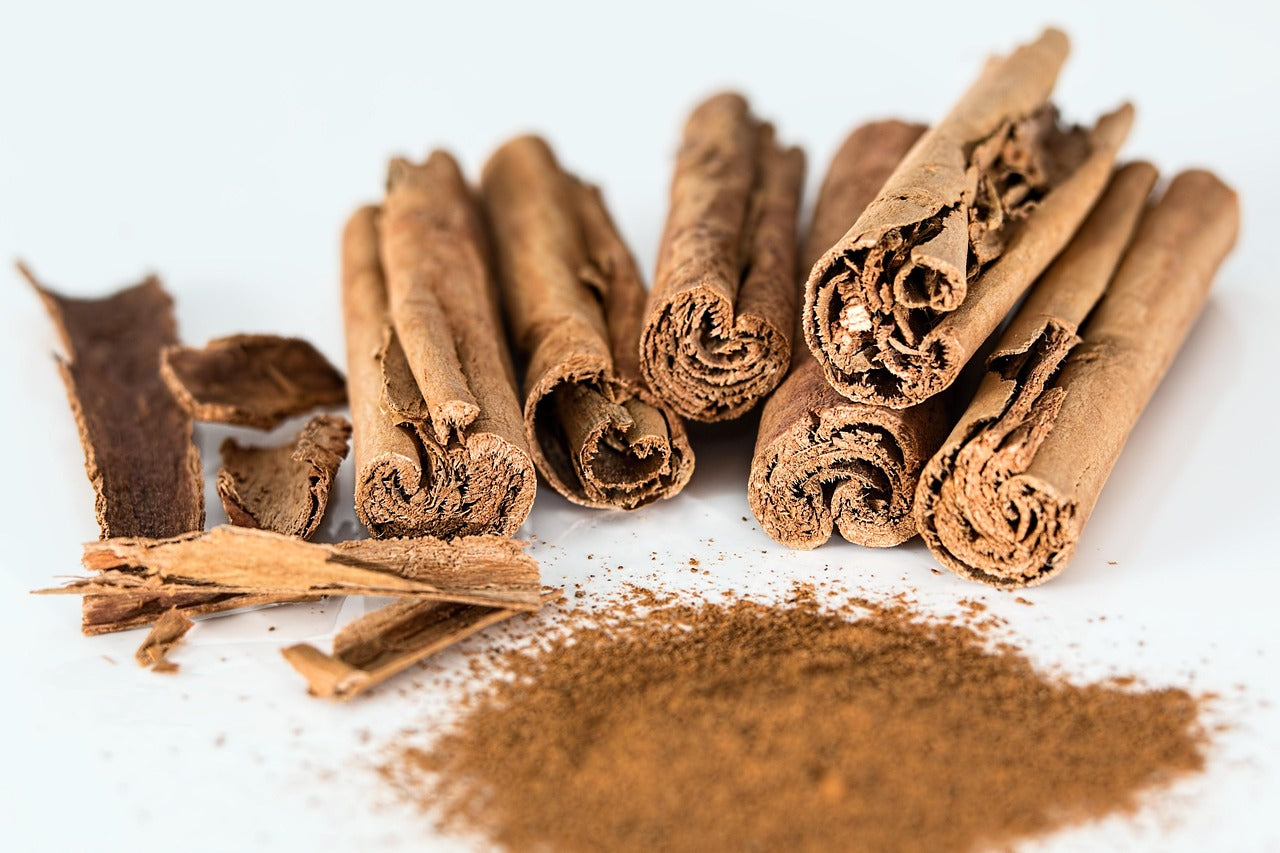
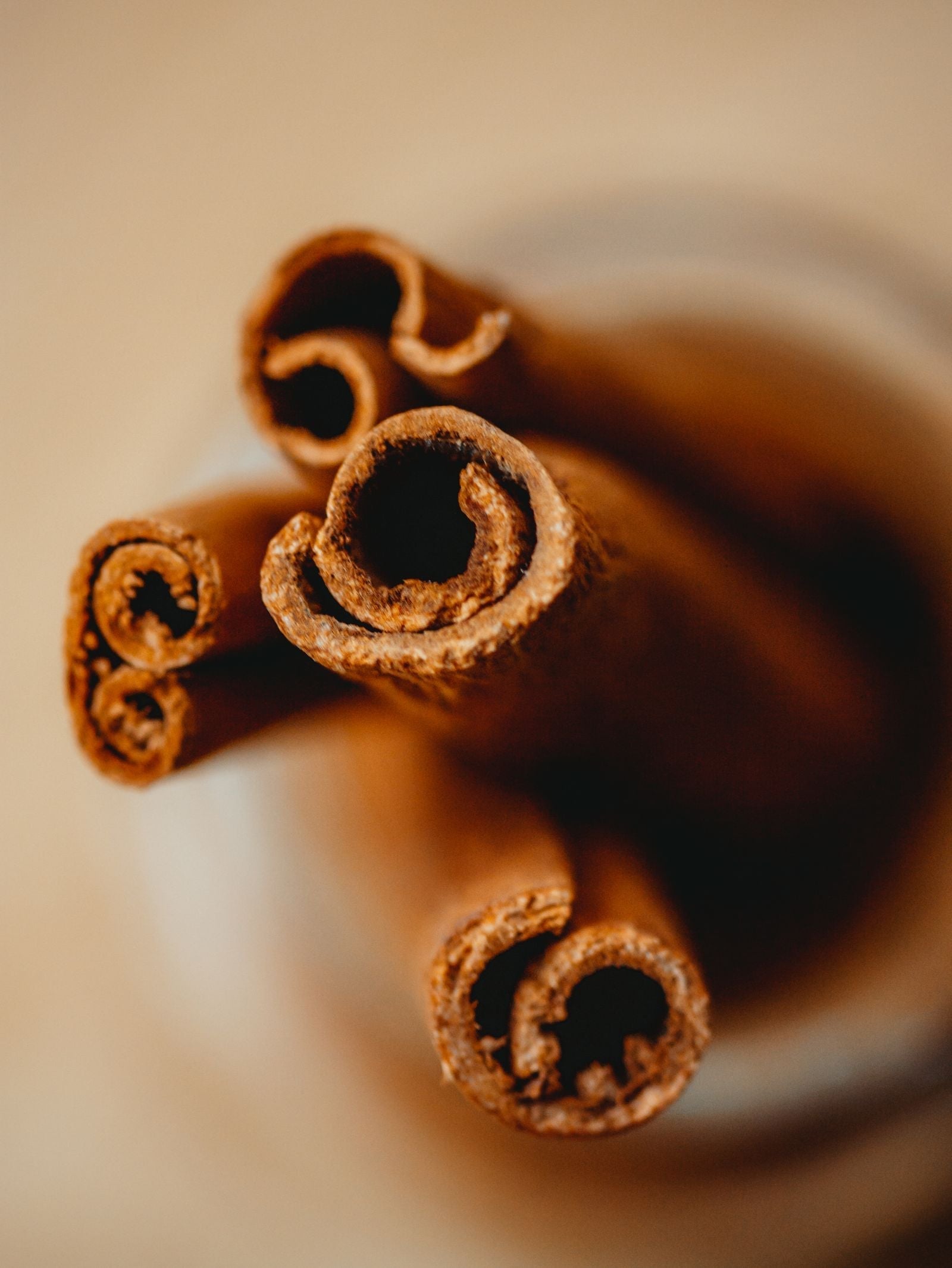
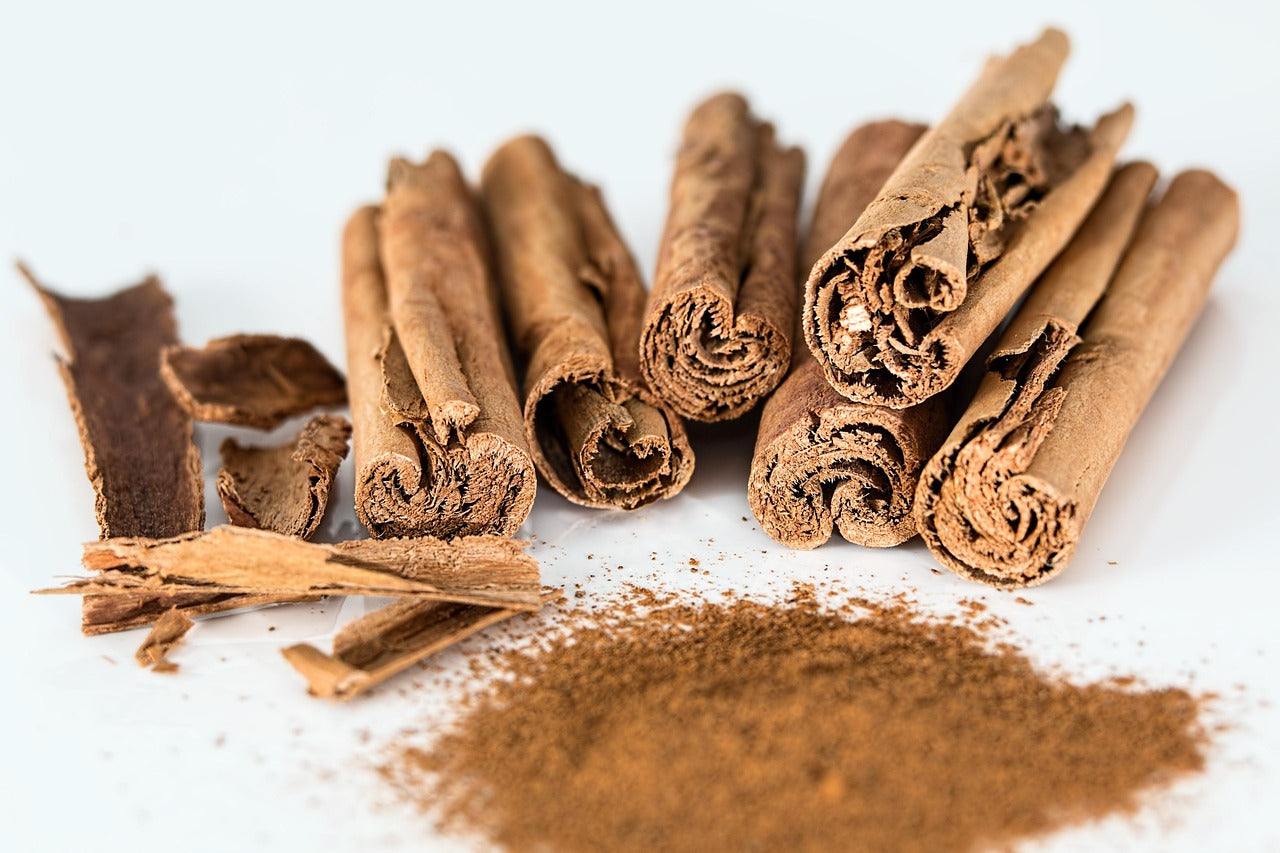
For sticks specifically, there's a genuine physical difference. Ceylon quills are made of several thin, papery bark layers rolled together, closer to a cigar in structure — they're light and crumble easily by hand. Cassia sticks are typically one or two thick, hard layers rolled from a single piece of bark, and don't break apart the same way.
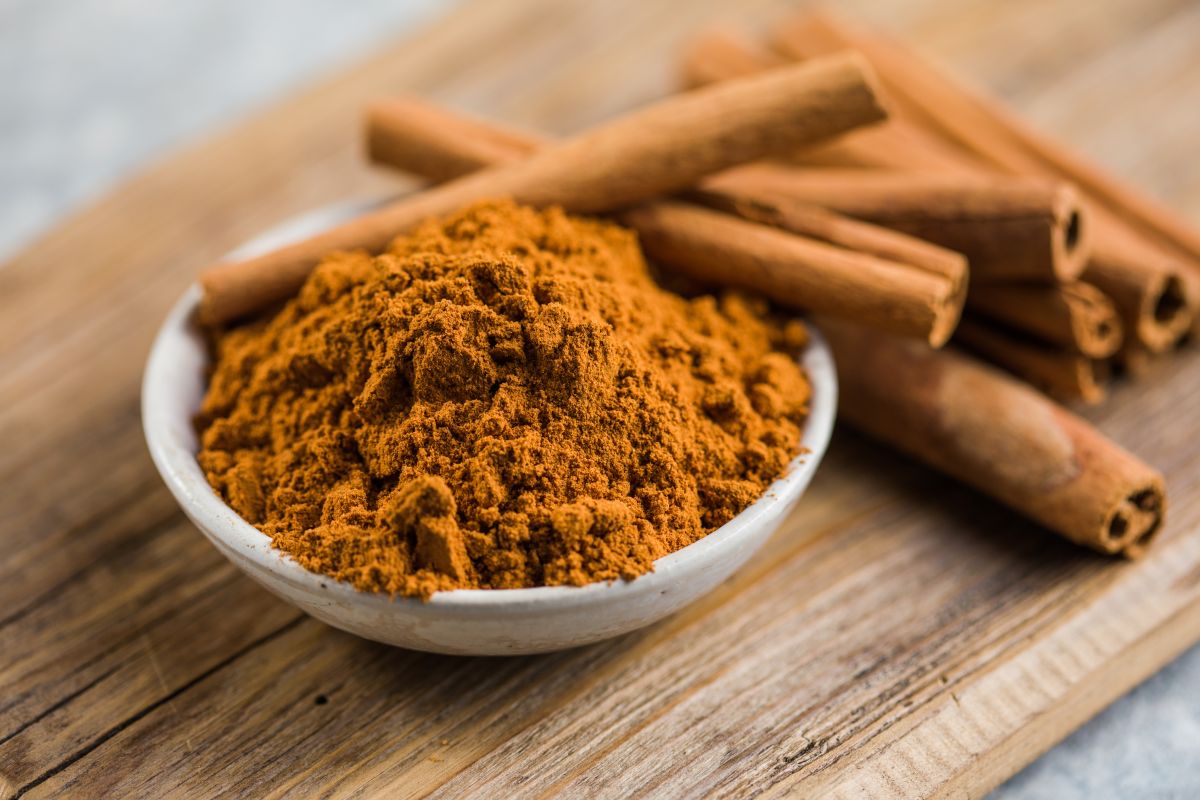
A commonly used home check for powder relies on starch content: cassia bark contains meaningfully more starch than Ceylon. Mixing a pinch of powder with water and adding a drop of iodine (available at most pharmacies) will turn a cassia-heavy sample noticeably darker — the starch reacts with iodine — while true Ceylon shows little to no color change. This is a real chemical reaction, not folklore, but it's a kitchen indicator, not a lab result — it can suggest a problem, not prove a precise species ratio.
The chemistry behind the difference
Two compounds do most of the explaining. Coumarin occurs in both species but at very different levels. In a Czech survey of 60 retail ground cinnamons (not US data), brand averages for cassia-type products ranged from 2,650 to 7,017 mg/kg, roughly 0.27–0.70%.5 Ceylon cinnamon samples in a separate international label study measured about 0.003–0.023 mg/g, which is under 0.004%.6 European regulators track coumarin specifically because large amounts can stress the liver over time; the US has no equivalent limit for spices. Eugenol runs the other direction — it's a major aromatic compound in true Ceylon cinnamon and is largely absent from cassia, which is part of why the two taste noticeably different: Ceylon is lighter and faintly floral, cassia is sharper and more assertively hot.
Where this leaves you
None of this means cassia is unsafe to cook with occasionally — most people consume it in small amounts. It means the word "cinnamon" alone, on a US label, isn't the information some shoppers assume it is. If the distinction matters to you — for coumarin exposure, for flavor, or simply for knowing what you're buying — the label needs to say "Ceylon" or name the species directly, and ideally point to independent testing rather than asking you to take a claim on trust. We don't yet publish a coumarin test for our own Ceylon cinnamon lot, so we won't quote a number for it; independent per-batch third-party testing is planned, with results published once each batch is in our Houston facility.
The label says the species, because it can
Ceylon Cinnamon Powder, Cinnamomum verum, from a single Sri Lankan origin. USDA Organic, Fair Trade Certified, GMO Free. Sold as a powder; next batch arrives October 17.
FAQ
Is it illegal to sell cassia as "cinnamon" in the US?
No. Under 21 CFR 101.22, "cinnamon" is an acceptable common name covering both species, and industry guidance from the American Spice Trade Association confirms this is standard practice.14 It's legal — it's just not the same plant as Ceylon cinnamon.
How can I tell Ceylon cinnamon from cassia at home?
Read the label first — look for "Ceylon" or Cinnamomum verum specifically. For sticks, Ceylon is made of thin, papery layers that crumble easily; cassia is one or two thick, hard layers. For powder, an iodine-and-water test can indicate high starch content typical of cassia, though it's a kitchen check, not lab-grade proof.
Is cassia cinnamon dangerous?
Occasional use in normal cooking amounts isn't a known concern for most adults. The issue researchers and regulators track is coumarin building up with frequent, high-volume intake over time, and that risk is specifically tied to cassia's higher coumarin content compared to Ceylon.
Does "organic" cinnamon mean it's Ceylon?
No — organic certification is about how the plant was grown, not which species it is. Cassia can be certified organic and still be cassia. Species and certification are two separate questions, and a label should answer both.
This content is for informational purposes only and not medical advice. Consult a healthcare professional for health-related concerns.
Know Your Cinnamon — related reading
- Know Your Cinnamon — the full picture in one place: labeling, coumarin, lead, and how to check what's actually in your jar
- What Is True Cinnamon? — the species behind the word, in plain terms
- Ceylon vs. Cassia Cinnamon: What's Actually in Your Spice Pouch? — how to tell the two apart, on the label and in the jar
- What Is Coumarin in Cinnamon? — the actual lab numbers behind the species difference
Want true Ceylon cinnamon powder?
Our next batch arrives in Houston on October 17. Leave your email and we will tell you the moment it is ready to order.
Sources
- 21 CFR 101.22 — Foods; labeling of spices, flavorings, colorings and chemical preservatives
- ASTA Response to Consumer Reports Cinnamon Investigation (Sept 12, 2024)
- Ghidotti et al., High rate of safety and fraud issues in commercially available cinnamon, NPJ Science of Food (2025). European retail data, not US.
- American Spice Trade Association
- Blahová & Svobodová, Assessment of Coumarin Levels in Ground Cinnamon Available in the Czech Retail Market, The Scientific World Journal (2012). Czech market data, not US.
- Clean vs Dirty Labels: Transparency and Authenticity of the Labels of Ceylon Cinnamon, PLOS ONE via PMC (international dataset, not US-only)