Cart
0
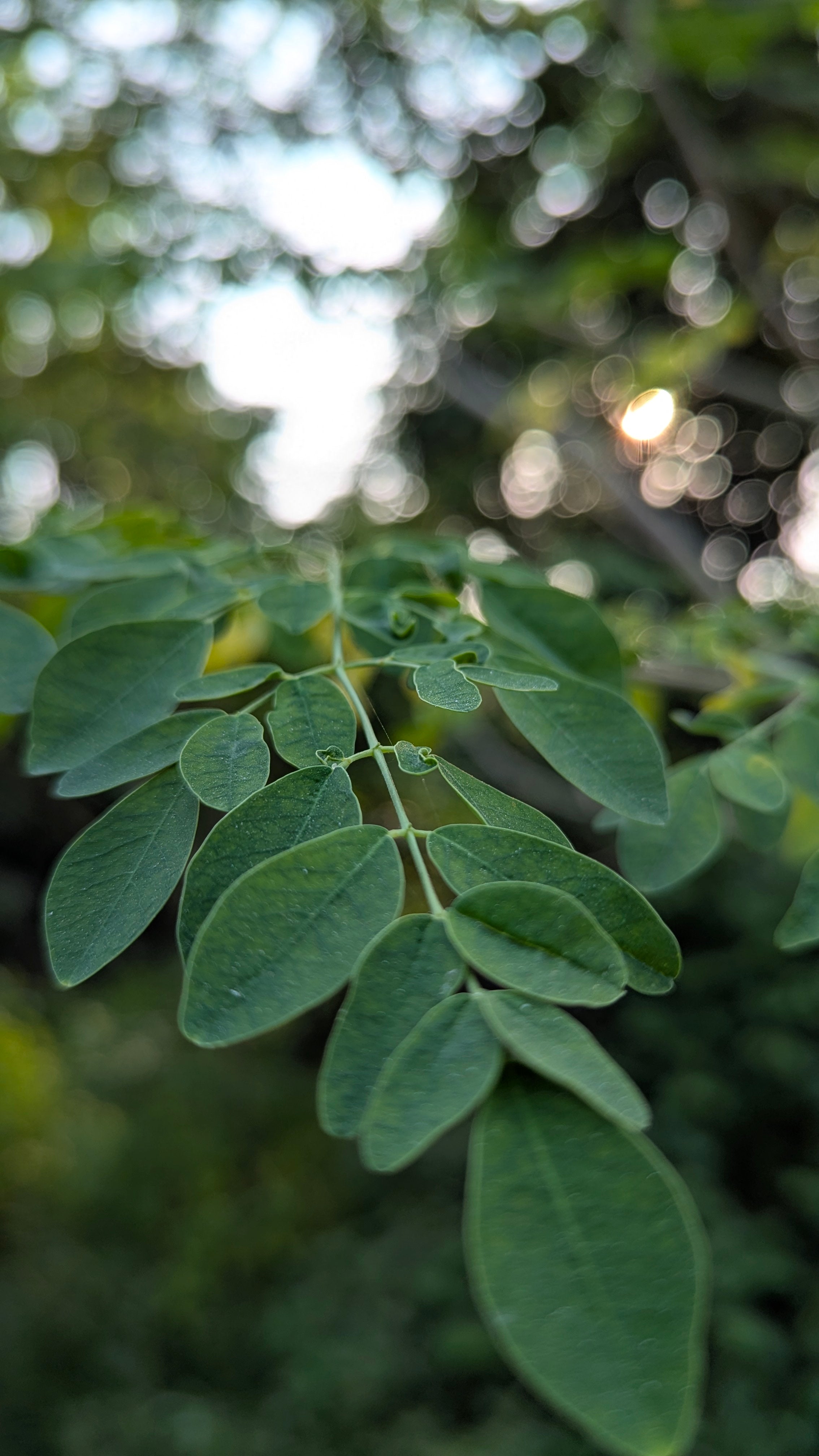
To make moringa tea from powder, stir ½ teaspoon of moringa leaf powder into a tablespoon of cool water to make a smooth paste, then whisk in 1 cup (240 ml) of water heated to about 175°F (80°C), or water that has boiled and rested for a few minutes. There is nothing to steep: the powder is the leaf itself, so the tea is ready as soon as it is evenly green.
At a glance
- Time: about 8 minutes, most of it waiting for the water.
- Makes: 1 mug (8 fl oz / 240 ml).
- Moringa: ½ teaspoon to start, 1 teaspoon at most once you know you like it.
- The one trick: make a paste with cool water first. Dry powder dropped into hot water forms lumps with dry centers.
Moringa tea tastes like a light, grassy green tea with a faintly savory, spinach-like finish. It is not made from the tea plant; it is dried Moringa oleifera leaf, milled fine, so it behaves more like matcha than a tea bag. The powder does not dissolve or need steeping. It hangs in the water, so the job is getting it smooth and drinking it before it settles. A level teaspoon of moringa leaf powder weighs about 2.4 g, the figure used in a 2025 University of California, Berkeley study, so the ½ teaspoon here is roughly 1.2 g.
Ingredients (1 mug)
- ½ teaspoon (about 1.2 g) moringa leaf powder
- 1 tablespoon (15 ml) cool water
- 1 cup (240 ml) water
- 1 teaspoon honey, optional
- 1 lemon wedge, optional
Method
- Heat the cup of water to about 175°F (80°C). Without a thermometer, bring it to a boil, take it off the heat and let it stand for a few minutes, until the steam rises gently instead of billowing.
- Put the moringa powder in a mug, add the tablespoon of cool water and stir with a teaspoon for about 20 seconds, until you have a smooth, dark green paste with no dry specks.
- Pour in the hot water a little at a time, stirring or whisking as you go, until the tea is an even, cloudy green with nothing floating on top.
- Stir in the honey and squeeze in the lemon wedge, if using, then taste and adjust.
- Drink it within about 10 minutes, stirring now and then, because the fine leaf settles to the bottom of the mug.
Iced moringa tea
Put ½ to 1 teaspoon of powder and 1 cup (240 ml) of cold water in a jar with a tight lid and shake hard for 15 to 20 seconds. Pour over ice and add lemon. Cold water gives a milder, less grassy cup than hot, and shaking does the work of the paste. Keep any extra in the fridge and drink it the same day.
Variations
- Lemon and honey: the acid lifts the green flavor and the honey rounds off the bitter edge. Do not give honey to a baby under 1 year old; the CDC says honey is not safe for infants.
- Fresh ginger: simmer three or four thin slices in the water for 5 minutes, take the pan off the heat and let it cool for a few minutes before pouring it onto the paste.
- Moringa latte: use warm milk (dairy or oat) instead of water, heated until steaming but not boiling, and whisk or froth it. A small pinch of Ceylon cinnamon suits it.
- Mint: drop a few bruised mint leaves into the mug with the hot water.
Why it tastes grassy, and other fixes
Moringa is a dried leaf, and the leaves themselves are somewhat bitter, as the UC researchers point out. Most bad cups come from too much powder or water that is too hot. What we do:
- Too grassy or bitter: drop to ½ teaspoon, use cooler water, add lemon, honey or milk, and do not leave the mug standing for long.
- Lumps: the paste step fixes this. A small whisk or a handheld milk frother also works, and so does shaking it in a jar.
- Gritty sludge at the bottom: that is undissolved leaf, which is normal. Stir as you drink. If the texture bothers you, pour it through a fine sieve or a paper coffee filter, knowing you are straining out some of the leaf as well.
- Dull olive color: usually water that was too hot, or powder that is past its best.
When do people drink moringa tea?
We found no research on a best time of day to drink moringa tea. The closest real data is the UC study, in which 50 healthy adults in California added 1 to 3 teaspoons of moringa powder to their food or drinks each day for a week. Most (56%) took it in the morning, and the most common way was mixed into cold drinks (46%). The study also sent reminder texts in the morning, which may explain some of that.
If you are pregnant or breastfeeding, Memorial Sloan Kettering's herb database says to talk with your healthcare provider first, because moringa may not be safe for you. The same database notes that moringa supplements can interact with some medications and are stronger than the amounts used in cooking. If you take prescription medicine, ask your healthcare provider or pharmacist.
Storing the powder
Close the pouch or jar tightly and keep it cool, dark and dry, away from the kettle and stove. Use a dry spoon; steam or a damp spoon turns the top layer into hard lumps. Bright, deep green powder is fresh; dull khaki is past its best. Go by the best-by date on the pack.
A note on moringa recalls
Between October 2025 and May 2026, the FDA and CDC opened four investigations into Salmonella outbreaks linked to moringa products, ranging from plain leaf powder to capsules and greens powders. As of October 15, 2026, the FDA lists all four investigations as closed, and none of the CDC's active Salmonella outbreaks involves moringa. The FDA says the recalled products have a long shelf life and asks people to check their homes for the specific recalled brands, lots and expiration dates it lists on its outbreak pages.
Last reviewed: October 15, 2026.
FAQ
How much moringa powder should I use for one cup of tea?
Start with ½ teaspoon in 1 cup (240 ml) of water. Go up to 1 teaspoon if you like the flavor; beyond that the tea turns thick and strongly grassy.
Can I use boiling water?
You can, but it tends to make the tea more bitter and the color duller. Let boiled water stand for a few minutes first.
Is it better to drink moringa tea in the morning or at night?
We found no study comparing the two. In the UC study, most people took moringa in the morning, but they were also sent morning reminders. Pick the time that suits your day.
Can I drink moringa tea every day?
In the UC study, healthy adults took 1 to 3 teaspoons a day for a week, and the researchers concluded those amounts would be tolerable, while noting that stomach symptoms were more common at the higher doses. Our article on whether moringa is safe to take every day covers the longer studies and the cautions.
The moringa in this recipe
Our Moringa Leaf Powder is single-origin from Sri Lanka, just the dried leaf, in a 1 lb pouch. USDA Organic, Fair Trade Certified and GMO Free. We sell it, so we have an obvious interest; the method above works with any plain moringa leaf powder.
Moringa: related reading
- The moringa guide: what moringa is, how it is grown and dried, and how to use it.
- 5 ways to cook with moringa powder: dal, baking, dressings and energy bites, once you have the tea down.
- Is moringa safe to take every day?: the daily amounts studied, and who should check with a doctor first.
- Sri Lankan moringa dal (parippu): the savory way moringa is eaten at home in Sri Lanka.
Sources
- Acceptability of Moringa oleifera leaf powder among healthy adults in the United States (Matias et al., Preventive Medicine Reports, 2025), PMC, National Institutes of Health
- Botulism Prevention, CDC (U.S. federal public health agency)
- Moringa oleifera, About Herbs, Memorial Sloan Kettering Cancer Center
- Investigations of Foodborne Illness Outbreaks, U.S. Food and Drug Administration (read October 15, 2026)
- Reports of Selected Salmonella Outbreak Investigations, CDC (U.S. federal public health agency) (read October 15, 2026)
- Outbreak Investigation of Salmonella: Moringa Leaf Powder (January 2026), U.S. Food and Drug Administration