Cart
0
Key facts
- US labels can legally say just "cinnamon" without naming the species — so the label itself often won't tell you.
- Whole Ceylon cinnamon sticks are made of many thin, papery layers rolled together; Cassia sticks are one thick, hard curl.
- Ceylon tastes noticeably lighter, sweeter and more citrusy than Cassia's stronger, hotter, "candy" note.
- A popular home test (a drop of iodine on the powder) is repeated everywhere online, but the one peer-reviewed source we could find that actually measured starch found both species contain substantial starch — so approach that specific test with real skepticism.1
- None of these checks tell you anything about heavy metals like lead — that's a separate question answered only by a batch-specific lab test.
If you've ever picked up a jar labeled simply "cinnamon" and wondered which kind is actually inside, you're not overthinking it — US labeling law genuinely doesn't require the answer to be on the package. Here's what actually helps you tell the difference, and one popular test worth being skeptical of.
Check 1: Read the label closely
Start here — it's the fastest check and sometimes it's enough. Look specifically for the words "Ceylon" or the species name Cinnamomum verum. If the label just says "cinnamon," "ground cinnamon," or "China cinnamon" with no species named, assume it's Cassia — that's what the vast majority of US grocery cinnamon actually is, and the law doesn't require the package to say so. We've written about exactly why that labeling gap exists in Why "Cinnamon" on a US Label Doesn't Mean What You Think.
Check 2: Look at a whole stick, if you have one
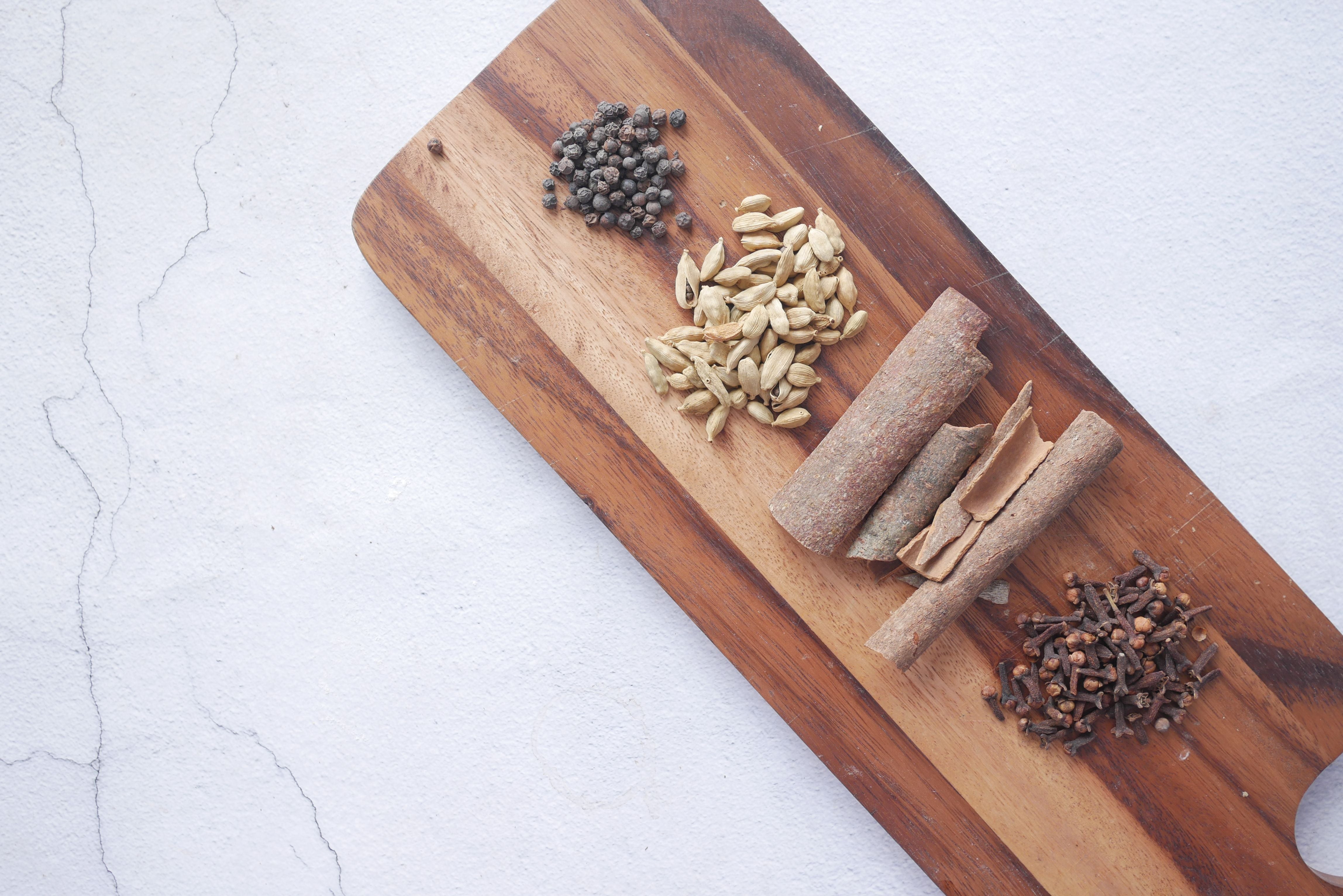
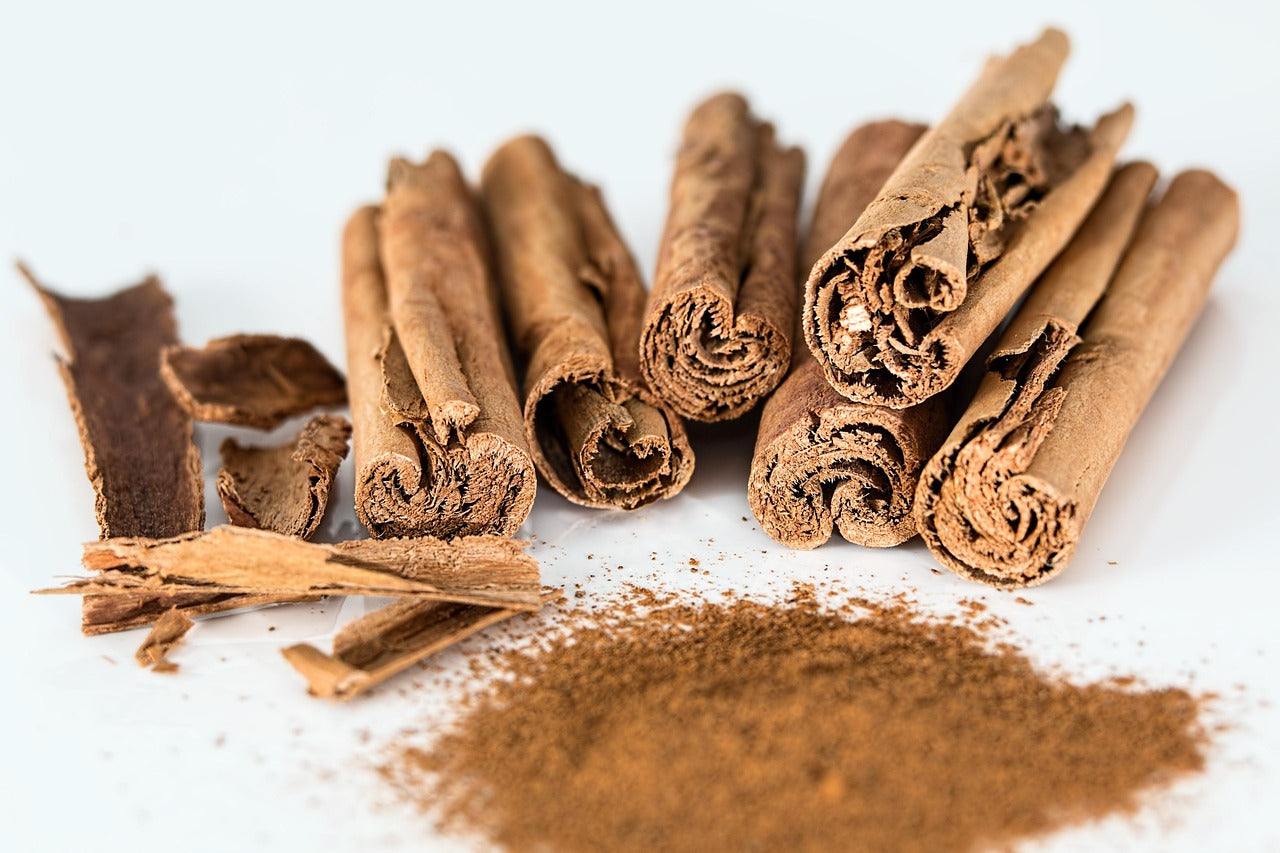
This only works if you have cinnamon sticks rather than ground powder, but it's the most visually obvious check there is. Ceylon cinnamon bark is thin and rolls into many soft, papery layers, like a cigar made of tightly furled sheets. Cassia bark is much thicker and harder, and typically forms a single thick curl, or just one or two layers. If you can see individual layers, it's almost certainly Ceylon.
Check 3: Taste and aroma
For ground cinnamon, where you can't see bark structure, your own palate is more trustworthy than most home chemistry tricks. Ceylon is lighter, sweeter, and slightly citrusy. Cassia is stronger, hotter, and closer to the "cinnamon candy" flavor most Americans grew up with — that intensity is part of why Cassia became the default in US groceries and baking. If a cinnamon tastes mild and a little floral rather than sharp and hot, that's a genuine indicator you're tasting Ceylon.
A popular test worth being skeptical of: the iodine test
You'll see it repeated across spice blogs and buying guides: put cinnamon powder in water, add a drop of iodine, and watch the color. The claim is that Cassia's supposedly higher starch content turns deep blue-black, while Ceylon's supposedly low starch content barely changes color.
We went looking for the actual science behind that claim before repeating it, and it's shakier than the blog posts suggest. The one peer-reviewed source we found that specifically examined cinnamon starch under microscopy — an international label-transparency study of 276 products across the US, UK, Mexico, and Japan, plus Ceylon cinnamon exporters in Sri Lanka — described both Ceylon and Cassia as containing substantial starch grains, not a stark "high vs. nearly none" difference the iodine test assumes.1 That doesn't mean the two species are chemically identical — real, measurable compositional differences do exist between them — but we're not going to tell you a kitchen iodine test reliably tells them apart when the evidence we could actually verify doesn't clearly back that up. If you want a real answer, a lab test or a reputable supplier's species documentation will tell you more than a color change on a plate.
What none of these checks can tell you
Everything above answers one question: is this Ceylon or Cassia? That's a species question, and it's genuinely useful — mainly because Cassia is naturally much higher in coumarin, a compound regulators recommend limiting at high regular intake. We cover that distinction in detail in Ceylon vs. Cassia Cinnamon: What's Actually in Your Spice Pouch?
What none of these checks tell you is anything about heavy metals like lead. Lead contamination is a soil-and-supply-chain question, not a species question — cinnamon trees of either species can take up lead from contaminated soil, and testing has found real variation lot to lot, not brand to brand. We go through what that means, including a real September 2026 recall, in Lead in Cinnamon: What the Testing and Recalls Actually Mean. The only way to know about lead in a specific jar is a batch-specific lab test — a Certificate of Analysis tied to the lot number on your package, not a home test or a species check.
FAQ
Does grocery store cinnamon say which kind it is on the label?
Not necessarily. US law allows several related species to be sold under the single name "cinnamon," with no requirement to specify which one. If the label doesn't name a species, assume Cassia — it's what most grocery cinnamon actually is.
Does the iodine test actually work to identify Ceylon cinnamon?
Approach it skeptically. It's widely repeated online, but the one peer-reviewed source we could verify found both Ceylon and Cassia contain substantial starch under microscopy, which undercuts the test's core assumption. Taste, bark structure (for whole sticks), and label wording are more dependable checks.1
If my cinnamon tastes like Ceylon, does that mean it's free of lead?
No. Species identity and lead contamination are two separate questions. Choosing Ceylon addresses the coumarin difference between species; it tells you nothing about the lead content of that specific batch, which depends on the soil and supply chain it came from.
What's the most reliable way to know for certain?
A lab test, or documentation from a supplier who can trace the product to a single, named origin. Taste and stick structure are good practical indicators for a home cook; they're not a substitute for actual species and contaminant testing.
One species, one origin, a batch number on every pouch
Our Ceylon Cinnamon Powder is Cinnamomum verum from a single Sri Lankan origin, USDA Organic and Fair Trade Certified, sealed at origin. Batch lab reports are available on request with your pouch's batch number.
Know Your Cinnamon — related reading
- Know Your Cinnamon — the full picture in one place: labeling, coumarin, lead, and how to check what's actually in your jar
- Why "Cinnamon" on a US Label Doesn't Mean What You Think — the labeling law that makes these checks necessary in the first place
- Lead in Cinnamon: What the Testing and Recalls Actually Mean — the contamination question these checks can't answer