Cart
0
Key facts
- USDA Organic is a federally regulated label under the National Organic Program (NOP) — using it without certification is a legal violation, not just a marketing norm.1
- Certification requires an independent, USDA-accredited certifying agent — not a self-declaration by the brand.1
- Certified farms and handlers are subject to on-site inspections at least once a year, plus the possibility of unannounced inspections.2
"Organic" gets used loosely in everyday conversation, but in the United States it's actually a legal term. Under the USDA's National Organic Program, a product can't carry the word "organic" on its label — let alone the green-and-white USDA Organic seal — without going through a defined certification process.1
Who does the certifying
The USDA doesn't personally inspect every farm. Instead, it accredits independent certifying agents — third-party organizations — who are responsible for verifying that a farm or handling facility actually follows organic standards. This is deliberately structured so the certifier isn't the same party with a financial interest in the outcome.1
What gets checked
- No prohibited substances. Certified organic operations can't use most synthetic pesticides, synthetic fertilizers, or genetically modified seed.
- Documented practices. Farms maintain records showing exactly what was applied to the soil and crop, and when.
- Handling and processing. It's not just the farm — anyone who processes, packages, or repacks the product (like a spice packer) also needs to be certified if the finished product will carry the organic label, to prevent contamination or commingling with non-organic material.2
- Annual on-site inspection. Certified operations are inspected at least once per year by the certifying agent, and can also be inspected without advance notice.2
Why this matters more for imported spices
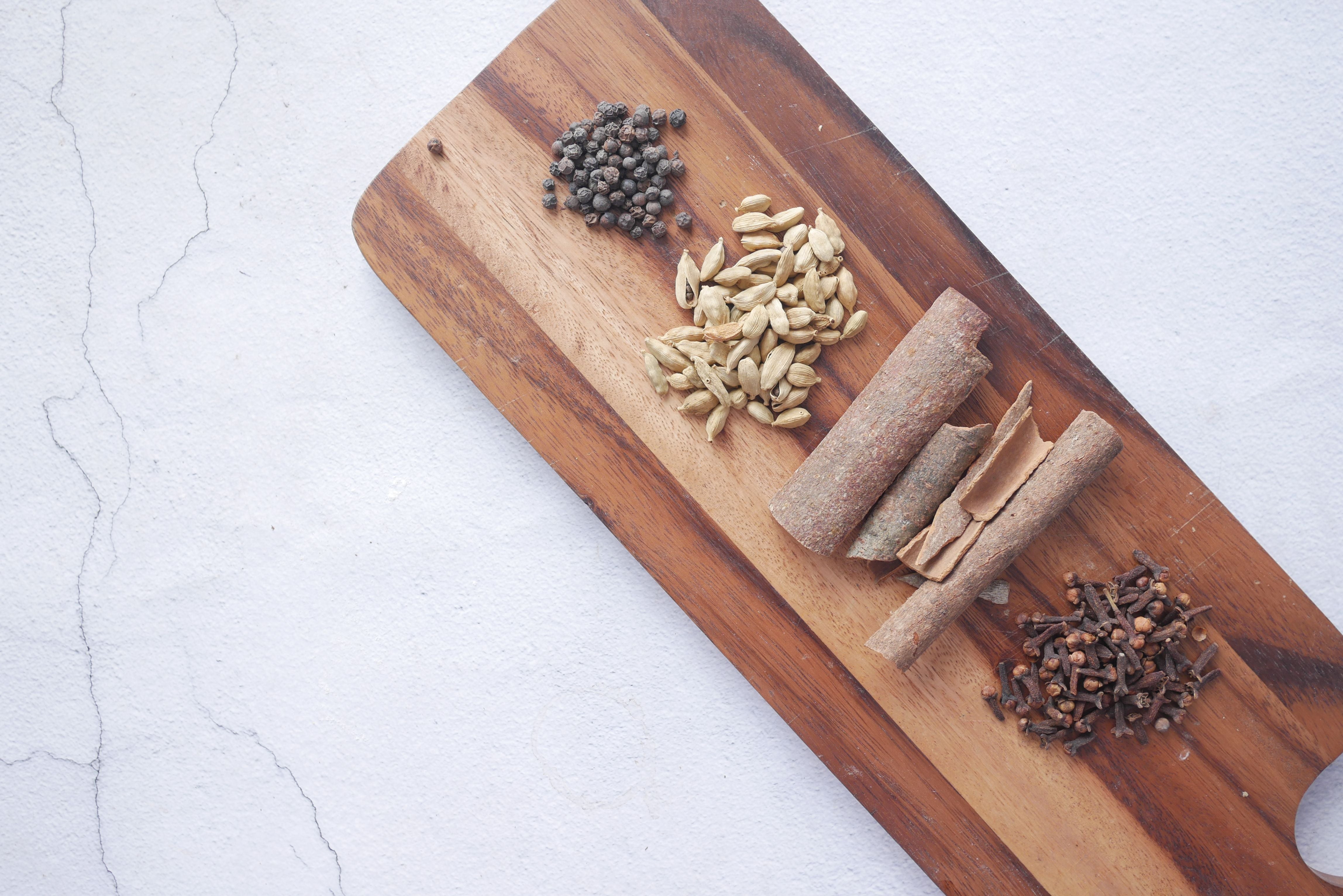
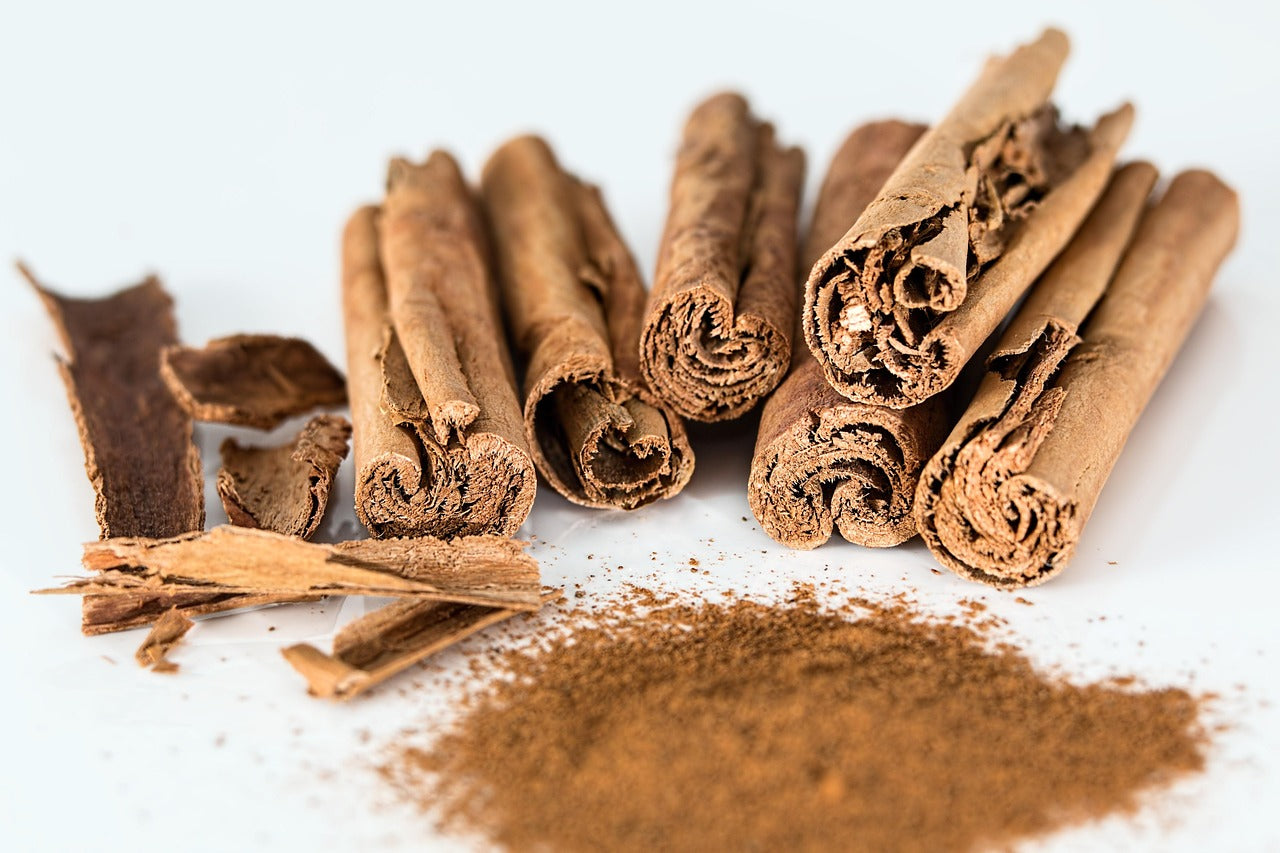
Spices like cinnamon, turmeric, and cloves are almost always imported into the US, since they're grown in specific climates. That adds a layer of complexity: both the farm of origin and every downstream handler — importer, processor, packer — need to be certified for the "USDA Organic" claim to legitimately reach the final package.2 A shortcut anywhere in that chain breaks the claim.
What USDA Organic does not mean
It's worth being precise here: organic certification is about farming and handling practices, not a guarantee of nutrient content, flavor, or that a product has been lab-tested for contaminants like heavy metals. Those are separate questions, covered by a Certificate of Analysis rather than an organic certificate — see our guide on how to read a spice COA.
FAQ
Can a company just print "organic" on a label without certification?
No — this is a regulatory violation under the National Organic Program, and the USDA can pursue enforcement action, including financial penalties, against non-certified operations using the claim.1
Does USDA Organic mean pesticide-free?
It means synthetic pesticides are prohibited; a narrow list of approved natural substances may still be used under specific conditions defined by the National List maintained under the NOP.
How is USDA Organic different from Non-GMO Project Verified?
USDA Organic already prohibits GMOs as part of its standard — Non-GMO Project Verified is a separate, private certification some brands carry in addition, focused specifically and only on GMO status.