Cart
0

Key facts
- A Certificate of Analysis (COA) is a lab report confirming a specific batch was tested — it's tied to a lot number, not the product in general.1
- Imported spices are a known risk category for heavy-metal contamination (particularly lead) because of soil conditions and, in some cases, adulteration during processing.2
- The FDA has published specific guidance and action levels for lead in spices sold in the US.3
Spices are one of the least regulated categories in the average grocery cart. Unlike infant formula or bottled water, there's no requirement that every bag of turmeric or cinnamon be tested before it reaches a shelf. That's where a Certificate of Analysis (COA) comes in — it's the difference between a brand telling you a product is safe, and actually proving it, batch by batch.
What a COA actually is
A COA is a document issued by a lab (either the manufacturer's own lab or, ideally, an independent third-party lab) confirming that a specific production batch was tested against a defined set of criteria. A real COA is always tied to a lot or batch number — a COA for "Ceylon Cinnamon Powder" in general, with no batch reference, isn't verifying anything about the bag in your hand.
What to actually check on the document
- Batch/lot number — does it match the number printed on your package?
- Testing lab name — is it a named, independent lab, or just an internal statement?
- Heavy metals — lead, arsenic, cadmium, and mercury are the standard panel. Spices, especially those grown in certain soil conditions or historically adulterated with lead-containing dyes, are a category the FDA has specifically flagged.2 In 2024 the FDA proposed specific action levels for lead in food intended for babies and young children that included spice-adjacent categories, part of a broader tightening of scrutiny on lead in the food supply.3
- Microbial testing — Salmonella and E. coli screening, since spices are a food-safety category the FDA and CDC have both linked to outbreaks in past years.
- Pesticide residue — relevant even for conventionally grown spices, and especially worth verifying for anything marketed as organic.
- Date of testing — a COA from three years ago tells you nothing about a batch packed last month.
Why heavy metals specifically matter for spices
Spices are grown in soil, and some soil types naturally contain higher background levels of heavy metals like lead and cadmium. On top of that, there's a documented history of lead-containing compounds being used to artificially brighten the color of certain spices (most notoriously turmeric) in some supply chains.2 This is exactly why testing — not just sourcing claims — is the part that actually verifies safety.
What if a brand doesn't have a COA?
It's a fair, direct question to ask any spice brand: "Can I see a current COA for this batch?" A brand that tests regularly will usually have one ready, or will be transparent about testing cadence. Reluctance to share one — or only offering it "on request" with a long delay — is itself useful information.
FAQ
Is a COA the same as a certificate of authenticity?
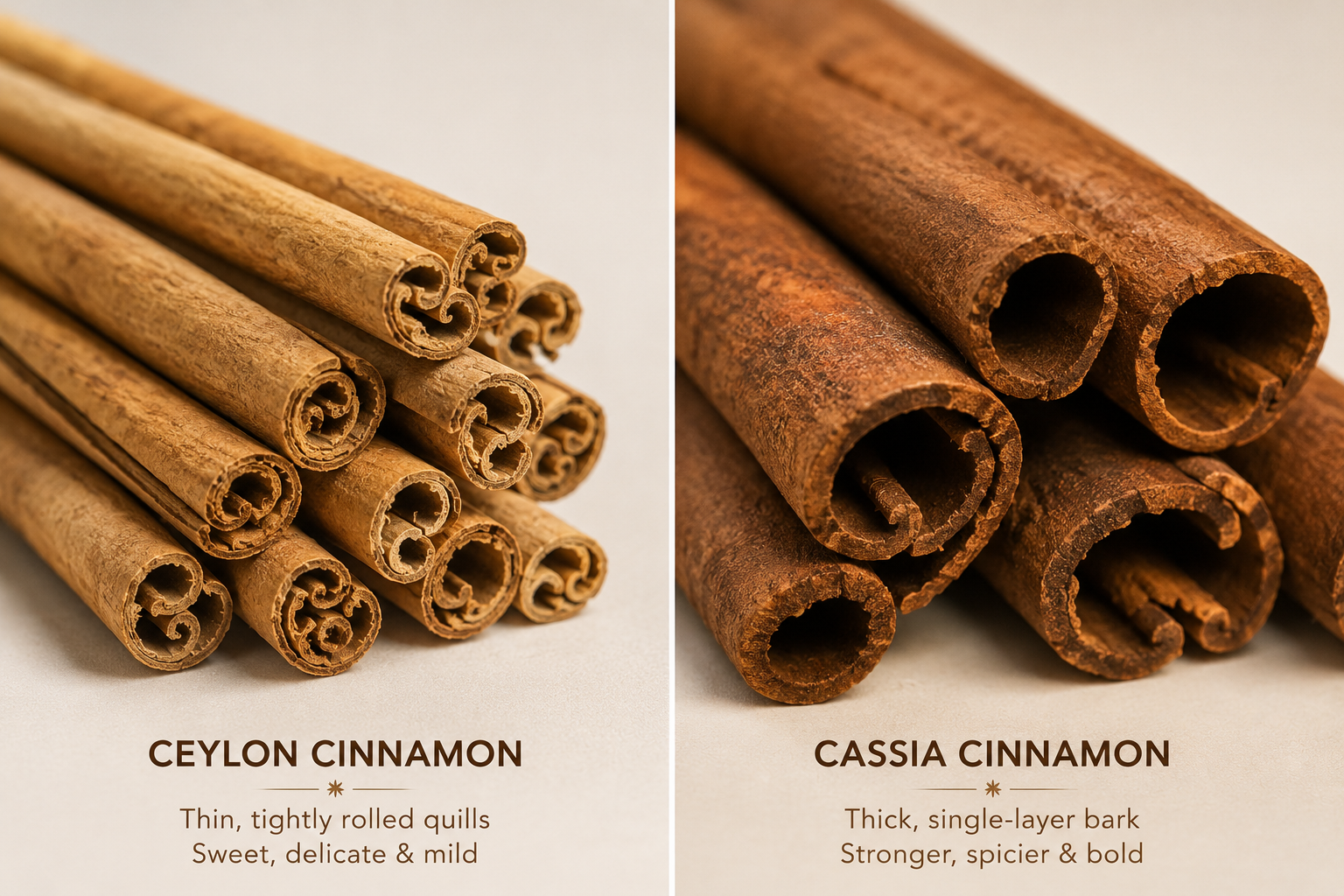
No. A Certificate of Authenticity typically speaks to origin or identity claims (e.g., that a cinnamon really is Ceylon cinnamon). A COA is a lab report on contamination and quality parameters for a specific batch. Reputable brands provide both, but they answer different questions.
Does organic certification replace the need for a COA?
No — organic certification verifies farming practices (no prohibited pesticides/synthetic fertilizers) through USDA's National Organic Program, but it isn't the same as a lab test confirming a specific batch is free of heavy metals or microbial contamination. The two are complementary, not interchangeable.
How often should a spice brand test?
Best practice is per production batch, since contamination risk can vary lot to lot depending on the source crop and processing conditions.