Cart
0
Key facts
- A randomized, placebo-controlled trial of 58 people with type 2 diabetes found 2 grams of cinnamon daily for 12 weeks lowered HbA1c (8.22% → 7.86%) and blood pressure versus placebo.3
- A 2018 peer-reviewed review found black pepper's cholesterol-lowering effects only in animal studies — the authors state human confirmation is still needed.1
- The same review states clove's effect on human atherosclerosis remains unclear, calling it the least human-studied of the three spices.1
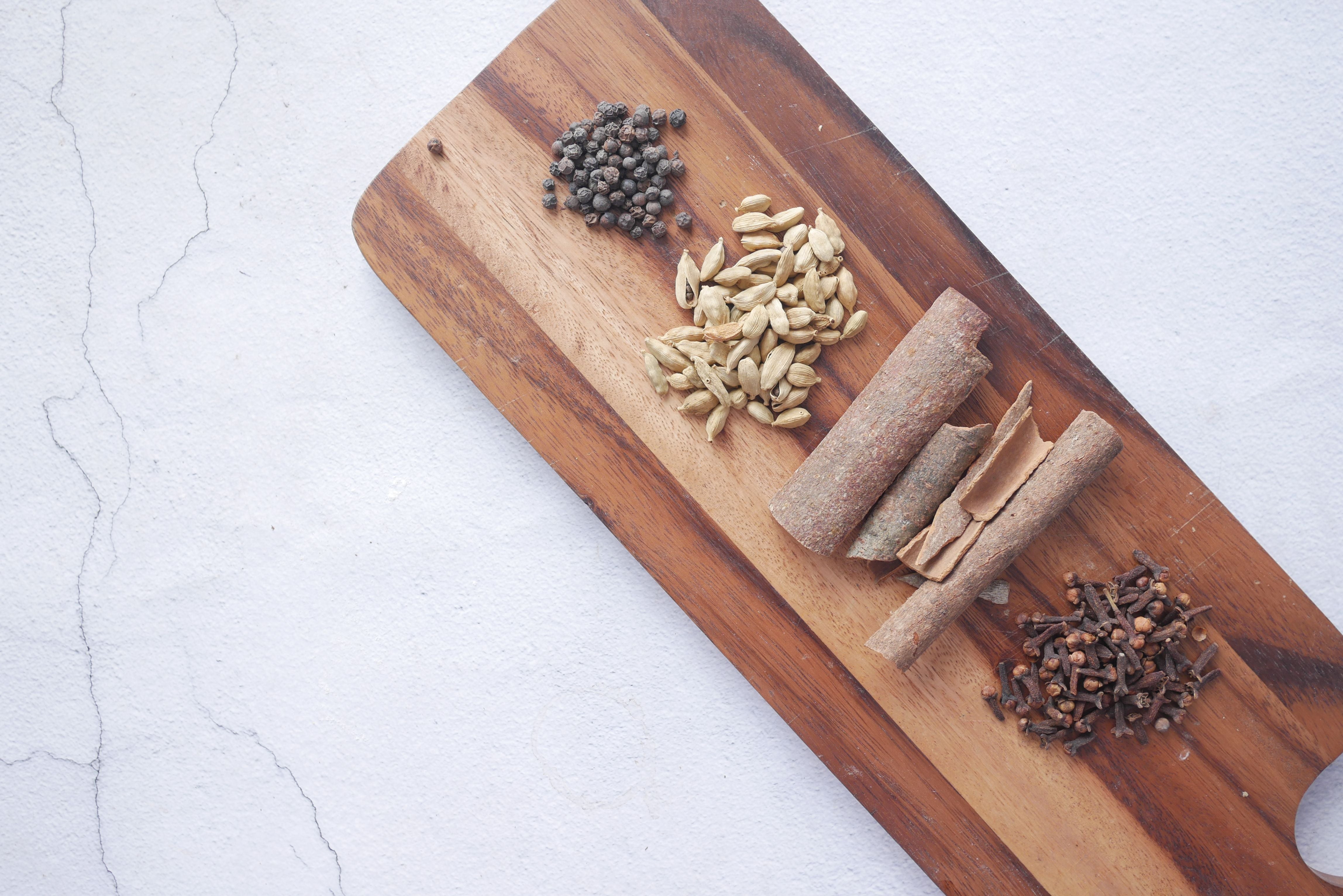
A 2018 peer-reviewed review in the journal Nutrients looked at how spices affect atherosclerosis — the artery-narrowing process behind most heart and circulatory problems. Three of the spices it covers are ones we sell: cinnamon, black pepper, and cloves. Here's what it actually found, and — just as importantly — what it didn't.
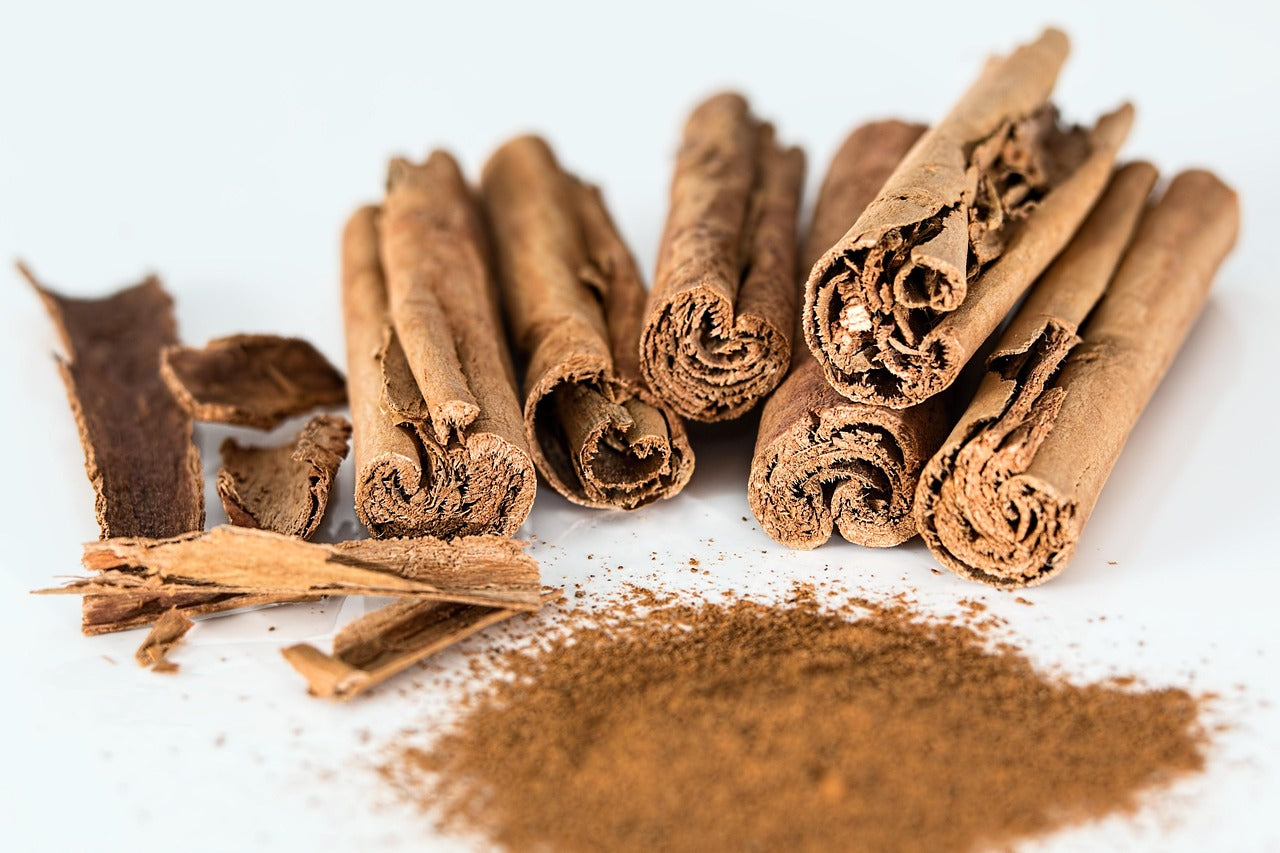
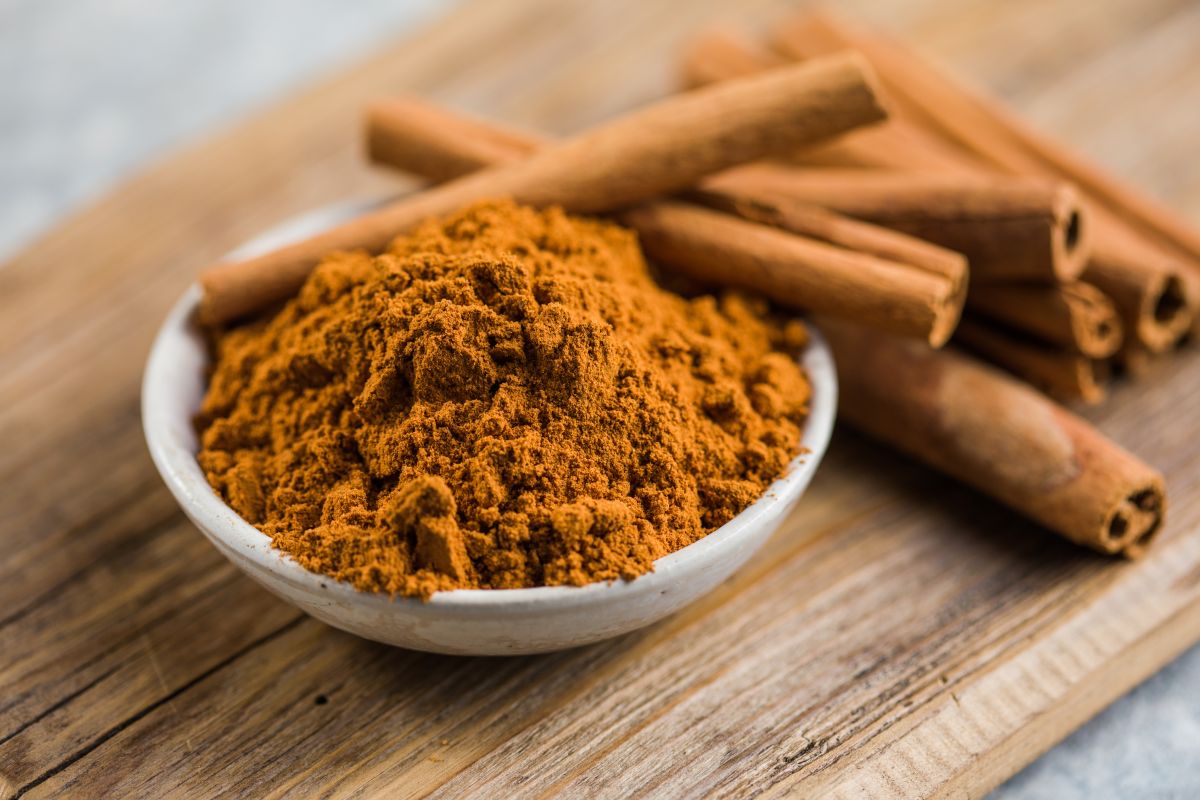
Cinnamon: the one with real human trial data
Of the three, cinnamon has the strongest human evidence. In one randomized, placebo-controlled trial of 58 people with type 2 diabetes in the UK, 2 grams of cinnamon daily for 12 weeks lowered average HbA1c (a long-term blood sugar marker) from 8.22% to 7.86%, versus a slight increase in the placebo group. Blood pressure dropped too — systolic from 132.6 to 129.2 mmHg, diastolic from 85.2 to 80.2 mmHg — while the placebo group saw essentially no change.3
That's a real, specific result from a real trial — not a rounding-error-sized effect. But it's not the whole picture: other trials using different doses (3 grams daily, in some cases) found no significant effect on blood sugar at all. The evidence points toward a genuine effect at this specific dose in this population, not a settled, universal one. Johns Hopkins Medicine's own consumer summary reaches a similarly measured conclusion — that cinnamon "can lower blood sugar levels in people with type 2 diabetes" and may help with cholesterol and triglycerides, while being explicit that it's "not a replacement for diabetes medication or a carbohydrate-controlled diet.2
The Nutrients review adds the mechanistic side: in lab and animal studies, cinnamon extract and compounds like cinnamaldehyde have shown anti-inflammatory, antioxidant, and anti-clotting effects relevant to how atherosclerosis develops. That's a different, earlier-stage kind of evidence than a human clinical trial — useful for understanding why cinnamon might matter, not proof that it changes outcomes in people.1
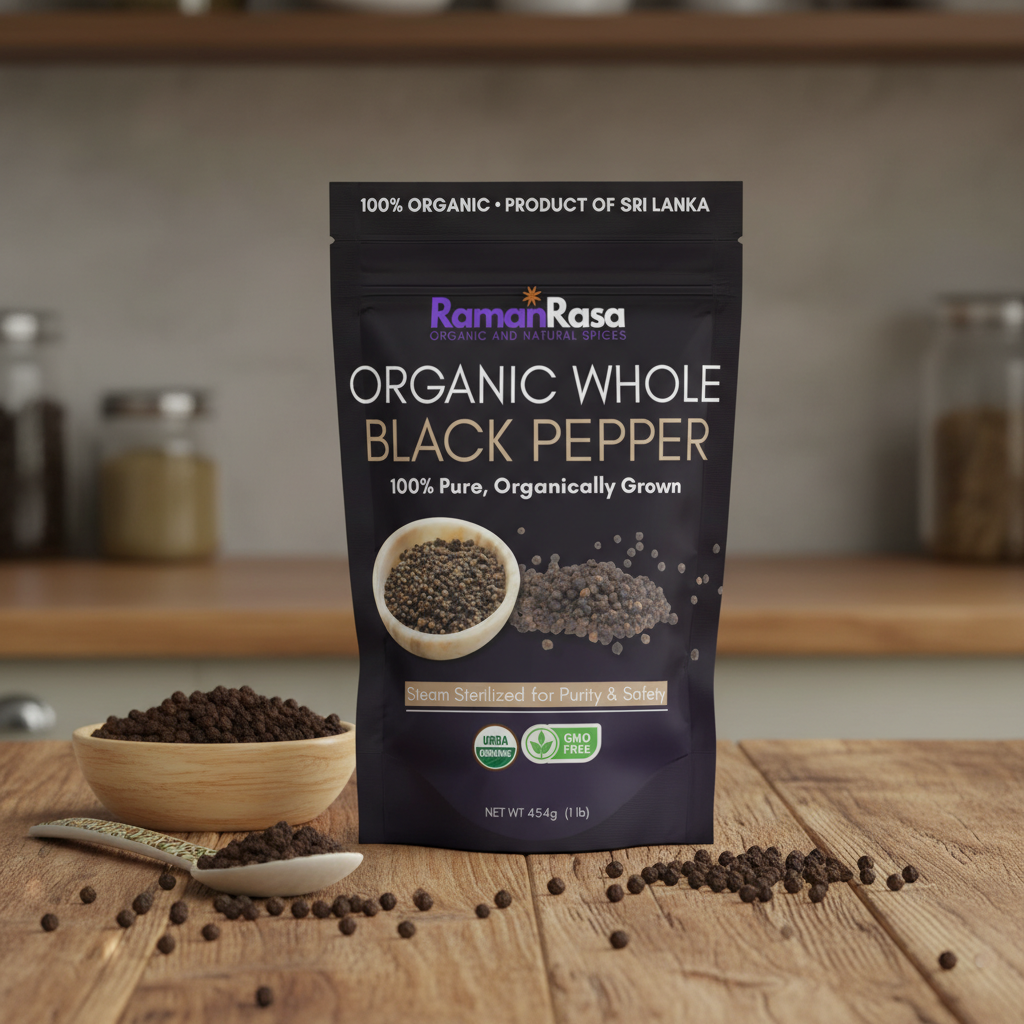
Black pepper: promising in animals, unconfirmed in humans
Piperine — the compound that makes black pepper sharp — has shown real effects in animal and cell studies: improving cholesterol and triglyceride levels in rats fed a high-fat diet, and influencing several of the same inflammatory and lipid-handling pathways implicated in artery plaque formation. The review's own authors are direct about the limitation here: they state explicitly that pepper's effects on human cardiometabolic health, and the amounts that would be needed, "need further studies to verify." This is animal-study evidence, not a demonstrated human effect.1
Cloves: the least-studied of the three, in humans
Clove extract reduced blood glucose and lipid levels in diabetic rats and lowered inflammatory markers in mouse immune cells in lab studies — but the review states plainly that clove's effect on atherosclerosis in human studies remains unclear, and calls for further research to confirm any benefit. Of the three spices here, this is the one with the least human evidence behind it.1
What this does and doesn't mean
None of this is a claim that cinnamon, black pepper, or clove change the course of any medical condition — and none of it is a claim about what our specific spices do in your body. It's a summary of what published, peer-reviewed research on these ingredients has and hasn't shown so far: one solid human trial for cinnamon at a specific dose, promising-but-unconfirmed animal data for pepper, and even earlier-stage animal data for clove. If you're managing a condition like diabetes or high blood pressure, this is a conversation for your doctor, not a spice jar.
Our Ceylon cinnamon, single-origin black pepper, and whole cloves are sourced from partner farms in Sri Lanka for flavor and quality — that sourcing decision is independent of the research above, not a claim that our specific batches replicate any study's results.
FAQ
Does cinnamon actually lower blood sugar?
One randomized, placebo-controlled trial found that 2 grams of cinnamon daily for 12 weeks lowered HbA1c and blood pressure in people with type 2 diabetes. Other trials at different doses found no significant effect, so the evidence points to a real but dose- and context-specific effect, not a universal one.3
Does black pepper improve cholesterol?
Piperine, black pepper's active compound, improved cholesterol and triglyceride levels in animal studies. The researchers who reviewed this evidence were explicit that human studies are still needed to confirm the effect and determine an effective amount.1
Do cloves help with heart health?
Clove extract showed benefits on blood glucose, lipids, and inflammation in animal studies, but the same peer-reviewed review states that its effect on atherosclerosis in humans is still unclear. This is the least human-studied of the three spices covered here.1
Should I eat more of these spices for heart health?
That's a question for your doctor, especially if you're managing diabetes, blood pressure, or take medication. This article summarizes published research; it isn't medical advice and isn't a claim about our specific products.
Shop our single-origin Ceylon cinnamon, black pepper, and whole cloves — sourced from partner farms in Sri Lanka.
```
Sources
- Tsui, P-F. et al., "Spices and Atherosclerosis," Nutrients, 2018, 10(11):1724 (PMC6266658)
- Johns Hopkins Medicine, "5 Spices with Healthy Benefits"
- Akilen, R. et al., "Glycated haemoglobin and blood pressure-lowering effect of cinnamon in multi-ethnic Type 2 diabetic patients in the UK: a randomized, placebo-controlled, double-blind clinical trial," Diabetic Medicine, 2010 (PubMed 20854384)