Cart
0
Key facts
- Consumer Reports tested 36 ground cinnamon products and cinnamon-containing blends. Twelve measured above 1 part per million of lead — the threshold that triggers a recall in New York.1
- For those twelve, CR advised that a quarter teaspoon contains more lead than you should consume in an entire day. For the best-performing products, the safe amount was many teaspoons.1
- Lead cannot be removed from cinnamon once it is present, and a tree cannot be stopped from absorbing it from the soil.1
- Lead content and Ceylon-vs-Cassia are two different questions. CR's lead testing did not distinguish between the two varieties.1
Cinnamon has drawn more scrutiny than most spices in recent years, between independent lab testing and a series of FDA alerts and recalls involving ground cinnamon products. If you cook with it daily, it's reasonable to want to understand what was actually found — without either dismissing it or panicking about it.
What the testing found
Consumer Reports tested 36 ground cinnamon products and spice blends containing cinnamon, bought from 17 stores across Connecticut, New Jersey and New York plus online retailers. Twelve of the 36 — a third — measured above 1 part per million of lead, which is New York State's recall threshold and, notably, the only such state-level standard for heavy metals in spices in the country.1
The spread between products was large. For the twelve highest, CR advised that even a quarter teaspoon carries more lead than a person should consume in a day. For the best performers, the tolerable amount ran to many teaspoons daily.1 Same spice, same shelf, radically different results — which tells you the variable isn't "cinnamon," it's the specific lot.
Why cinnamon specifically?
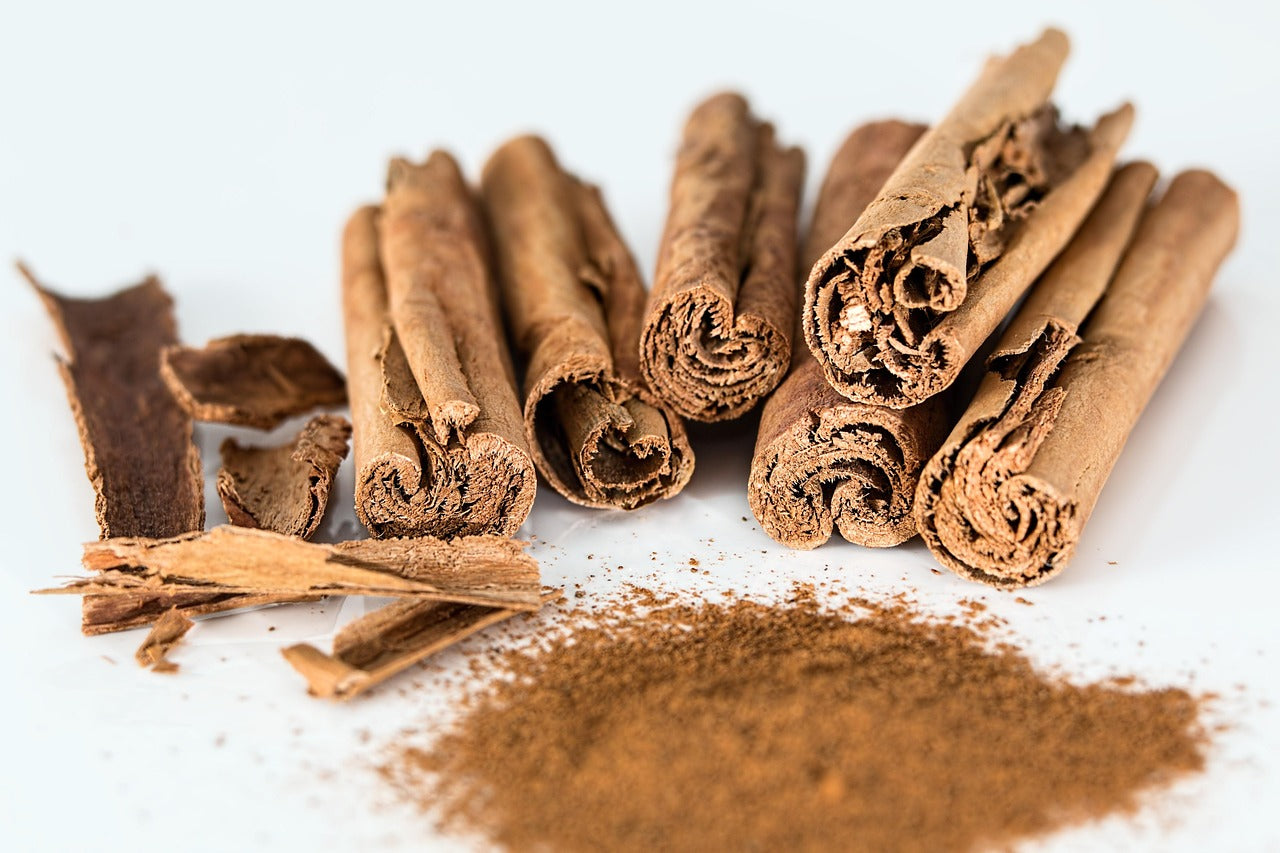
Cinnamon is tree bark, and bark accumulates what the soil offers over years of growth. The FDA notes that lead, arsenic, cadmium and mercury occur naturally in the environment and are frequently elevated where past industrial activity or pollution left them behind.2 A tree growing in affected soil takes up what's there — nothing in harvesting or milling changes that.
There is also a documented history in some supply chains of lead-containing compounds being introduced to spices to enhance colour or weight. That is adulteration rather than contamination, and it's one of the reasons regulators treat imported spices as a category warranting attention.
Lead is not the Ceylon-vs-Cassia question
This is worth being precise about, because the two get conflated constantly — including, sometimes, by people selling Ceylon cinnamon.
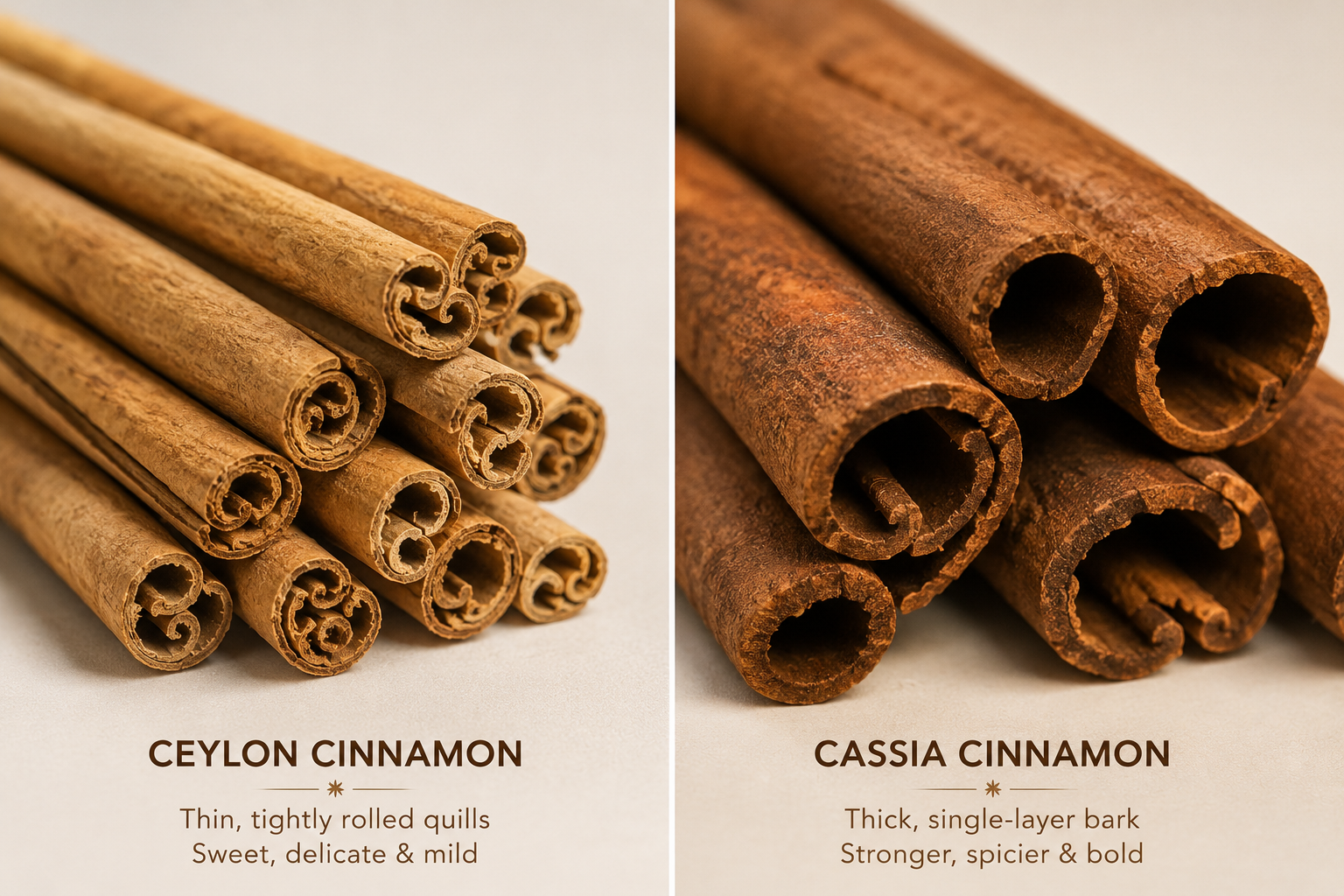
Ceylon vs Cassia is a question of species, and the compound at issue is coumarin: Cassia is naturally much higher in it, Ceylon naturally very low. That's a genuine and well-established difference, and we've written about it in detail in Ceylon vs. Cassia Cinnamon.
Lead is a question of soil and supply chain. It is not a property of the species. Consumer Reports' lead testing did not distinguish between Ceylon and Cassia varieties at all.1 Choosing Ceylon addresses coumarin. It does not, by itself, tell you anything about the lead content of the jar in your hand — only a test of that batch does.
We sell Ceylon cinnamon and we think the coumarin difference matters. We're not going to stretch that into a claim it doesn't support.
What you can actually do
- Check for a batch-specific Certificate of Analysis. Not a generic product claim — a lab report tied to the lot number on your package. Our guide to reading a COA covers what to look for.
- Note that certifications don't cover this. CR found organic certification did not predict lower heavy metal content, because organic standards govern farming inputs, not soil geology.3
- Keep an eye on FDA recall notices if you buy ground cinnamon regularly; the agency publishes alerts when specific lots are found to be contaminated.4
- Ask the brand directly. Any company testing its batches will be able to send you the report. Ours are available on request — email sales@ramanrasa.com with your batch number.
FAQ
Is all cinnamon contaminated with lead?
No. In CR's testing, two-thirds of the 36 products fell below New York's 1 ppm threshold, and the best performers were far below it.1 The variation between individual products was the main finding, not a blanket problem with cinnamon.
Does buying Ceylon cinnamon protect me from lead?
Not inherently. Ceylon's advantage is its naturally low coumarin content, which is a different compound and a different issue. Lead depends on the soil the tree grew in and the integrity of the supply chain, not the species — and CR's lead testing did not separate the two varieties.1
Can I wash or heat lead out of cinnamon?
No. Consumer Reports states plainly that once lead is present in a spice there is no way to remove it.1
How much cinnamon is safe?
It depends entirely on the product, which is the point. CR's guidance ranged from "not even a quarter teaspoon a day" for the highest-lead products to many teaspoons daily for the lowest.1 Without a batch test for the specific product you own, there's no way to place it on that range.
This content is for informational purposes only and not medical advice. Consult a healthcare professional for health-related concerns.